
High Risk Pregnancy in Nagpur: Comprehensive Guide to Causes, Antenatal Monitoring, Advanced Management, and Safe Delivery Practices
High Risk Pregnancy in Nagpur: Comprehensive Guide to Causes, Antenatal Monitoring, Advanced Management, and Safe Delivery Practices offers an exhaustive, highly clinical, yet deeply compassionate resource for expectant mothers and families navigating complex or medically challenging gestations. While pregnancy is a natural and physiological process, certain medical conditions, pre-existing health histories, maternal age factors, or unexpected gestational developments can categorize a pregnancy as “high-risk.” A high-risk pregnancy requires specialized, vigilant medical oversight to safeguard both maternal health and fetal development from conception through postpartum recovery. Seeking expert clinical guidance under the Best Gynaecologist – Dr. Arti Patil ensures that expecting mothers receive meticulous diagnostic evaluations, advanced fetal surveillance, and customized multidisciplinary care plans designed to achieve a safe, healthy delivery.
Facing a high-risk pregnancy diagnosis can naturally evoke feelings of anxiety and uncertainty for expecting parents. However, modern advancements in maternal-fetal medicine, high-definition obstetric ultrasonography, continuous electronic fetal monitoring, and specialized neonatal care have revolutionized clinical outcomes. Today, Central India has emerged as a premier healthcare hub for advanced High Risk Pregnancy in Maharashtra, equipped with modern modular labor suites, Level-III neonatal intensive care units (NICU), and comprehensive emergency obstetric protocols. This high standard of care ensures that complex conditions are managed proactively, minimizing risks and maximizing the likelihood of a joyous, healthy outcome.
Successfully managing high-risk pregnancies requires seamless collaboration between experienced obstetricians, maternal-fetal medicine specialists, anesthetists, and neonatologists. Leading institutions providing High Risk Pregnancy in India adhere strictly to international clinical guidelines established by leading obstetric organizations, focusing on early risk stratification, preventive therapeutic interventions, and empowering expectant parents with clear, reassuring knowledge throughout their 40-week journey.
Understanding High-Risk Pregnancies: What Defines the Classification?
A high-risk pregnancy is defined as any gestation in which the mother, the developing fetus, or both face an elevated probability of health complications, medical distress, or adverse outcomes compared to a standard, uncomplicated pregnancy. These risks can originate from pre-existing maternal medical disorders, conditions that develop specifically during gestation, or anatomical and genetic factors.
Recognizing risk factors early allows medical teams to implement enhanced surveillance protocols, proactive medical therapy, and timely interventions. Categorizing pregnancies correctly ensures that appropriate healthcare resources—such as specialized fetal echocardiograms, frequent growth scans, or immediate surgical availability—are fully integrated into the antenatal care plan from the very first trimester.
Common Medical, Obstetric, and Maternal Risk Factors
The triggers that classify a pregnancy as high-risk are diverse, spanning chronic health conditions, lifestyle variables, and specific obstetric histories. Identifying these factors during early antenatal visits is a core competency in advanced medical centers offering High Risk Pregnancy in Maharashtra.
Key risk categories include:
- Pre-Existing Chronic Maternal Medical Conditions: Women managing pre-existing disorders such as chronic hypertension, Type 1 or Type 2 diabetes mellitus, chronic renal disease, autoimmune disorders (like systemic lupus erythematosus), or congenital heart disease face heightened physiological demands during gestation.
- Gestational Complications: Conditions that arise specifically during pregnancy, including gestational diabetes mellitus (GDM), pregnancy-induced hypertension (PIH), pre-eclampsia, eclampsia, and intrahepatic cholestasis of pregnancy. For specialized concerns regarding sudden bleeding or placental issues, prompt evaluation is managed under Bleeding during pregnancy Treatment.
- Advanced Maternal Age (AMA) or Young Maternal Age: Women conceiving above the age of 35 face an increased statistical likelihood of chromosomal variations, gestational hypertension, and gestational diabetes. Conversely, very young teenagers experience higher risks of preterm labor and cephalopelvic disproportion.
- Multiple Gestations (Twins, Triplets, or More): Carrying more than one fetus significantly increases the risk of preterm birth, gestational hypertension, intrauterine growth restriction (IUGR), and twin-to-twin transfusion syndrome.
- Obstetric History of Previous Complications: A history of recurrent miscarriages, preterm births, unexplained stillbirths, previous Cesarean deliveries, or severe postpartum hemorrhage places subsequent pregnancies in a high-risk category requiring heightened vigilance.
Advanced Diagnostic and Antenatal Monitoring Protocols
High-risk pregnancies demand a rigorous, frequent schedule of clinical evaluations and cutting-edge diagnostic tests to monitor fetal well-being and maternal stability continuously.
Essential diagnostic and monitoring protocols in institutions providing High Risk Pregnancy in India include:
- High-Resolution Targeted Anomaly Scans (Level-II Ultrasound): Performed between weeks 18 and 22 to thoroughly evaluate fetal structural development, organ formation, brain anatomy, and cardiac chambers.
- Color Doppler Flow Studies: Advanced ultrasound imaging assessing blood flow velocity through the umbilical artery, middle cerebral artery, and ductus venosus, ensuring the placenta is efficiently delivering oxygen and nutrients to the fetus.
- Biophysical Profile (BPP) & Non-Stress Tests (NST): Combining real-time ultrasound assessment of fetal breathing, body movements, muscle tone, and amniotic fluid volume with electronic cardiotocography (CTG) heart rate tracking.
- Comprehensive Biochemical and Genetic Screenings: Serial blood tests tracking maternal renal function, liver enzymes, coagulation profiles, and advanced genetic marker screenings. For underlying structural or pelvic conditions requiring surgical evaluation, care is coordinated under Laparoscopic Gynecological Surgery.
Multidisciplinary Management and Specialized Intervention Strategies
Managing a high-risk pregnancy requires a proactive, personalized treatment strategy tailored specifically to the underlying medical condition and gestational age. The goal is to prolong gestation safely while mitigating potential complications.
Core therapeutic management strategies include:
- Strict Glycemic and Blood Pressure Control: Utilizing pregnancy-safe pharmacological agents, insulin therapy, and customized medical nutrition therapy to maintain optimal blood glucose and blood pressure parameters, preventing vascular and placental damage.
- Cervical Insufficiency Management: Performing transvaginal ultrasound length checks and placing a supportive cervical cerclage stitch in the second trimester to prevent premature cervical dilation and recurrent miscarriage.
- Fetal Lung Maturity Therapeutics: Administering corticosteroid injections to the mother when there is a documented risk of premature delivery between 24 and 34 weeks, accelerating fetal surfactant production and lung development.
- Tailored Delivery Planning: Determining the optimal timing and mode of delivery—whether a planned induction, an elective Cesarean section, or management of a trial of labor. Comprehensive birthing options are structured under All kinds of deliveries in Nagpur.
Maternal Nutrition, Lifestyle Modification, and Self-Care
Nutrition and lifestyle management are powerful pillars in high-risk pregnancy care, directly influencing metabolic stability, placental function, and fetal resilience.
Essential nutritional and lifestyle guidelines include:
- Targeted Dietary Programming: Collaborating with clinical nutritionists to design specialized meal plans—such as low-glycemic diets for gestational diabetes or low-sodium regimens for hypertension—ensuring adequate caloric and micronutrient intake.
- Micronutrient Supplementation: Precise dosing of essential prenatal vitamins, iron, calcium, vitamin D, and specialized omega-3 fatty acids tailored to maternal blood parameters.
- Modified Activity and Rest: Incorporating prescribed rest periods or modified activity levels while avoiding strenuous physical exertion or high-stress environments.
- Strict Avoidance of Teratogens: Complete abstinence from tobacco, alcohol, recreational substances, and unprescribed medications that could compromise fetal development.
Emotional Wellbeing, Mental Health, and Perinatal Support
Coping with a high-risk pregnancy can impose significant emotional strain, fear, and mental fatigue on expecting mothers and their families. Comprehensive high-risk care recognizes that psychological support is just as vital as clinical medical treatment.
Perinatal mental health strategies include:
- Anxiety and Stress Counseling: Providing safe spaces for mothers to express fears, receive empathetic clinical reassurance, and learn effective mindfulness techniques.
- Partner and Family Integration: Involving supportive family members in counseling sessions so they understand how to assist practically and emotionally at home.
- Routine Mental Health Screenings: Monitoring for signs of antenatal anxiety or depression to provide prompt psychological intervention.
Meet your Expert: Dr. Arti Patil
When seeking top-tier clinical expertise, advanced maternal-fetal medicine, and deeply compassionate high-risk obstetric care, Dr. Arti Patil is widely recognized as a preeminent specialist for High Risk Pregnancy in Nagpur. With extensive fellowship training in minimal access surgery, obstetric ultrasound, and reproductive medicine, Dr. Patil combines rigorous clinical precision with a warm, reassuring bedside manner that puts high-risk patients completely at ease.
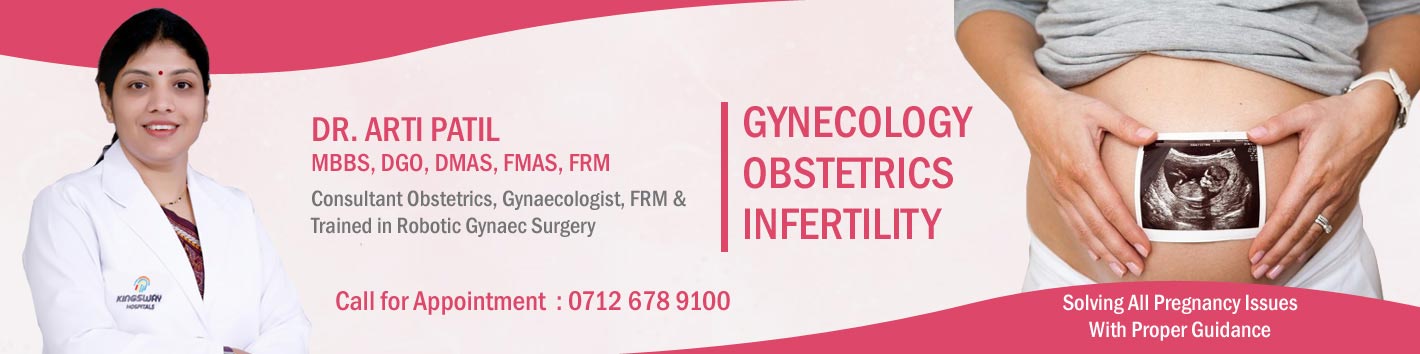
Dr. Arti Patil
MBBS, DGO, DMAS, FMAS, FRM
Consultant Obstetrician & Gynaecologist
FRM (Fellowship in Reproductive Medicine)
Trained in Robotic Gynaec Surgery
Qualifications & Advanced Training:
- MBBS – Madras Medical College, Chennai (2004)
- DGO – Armed Forces Medical College (AFMC), Pune (2010)
- FMAS (Fellowship in Minimal Access Surgery) – World Laparoscopy Hospital, Gurgaon, NCR, New Delhi (2016)
- DMAS (Diploma in Minimal Access Surgery) – World Laparoscopy Hospital, Gurgaon, NCR, New Delhi (2016)
- FOGSI Recognized Course in Obstetric Ultrasound (2010)
- FOGSI Recognized Course in Infertility (2010)
- CICE France – Certificate Course in Gynaec Endoscopy (2011)
- Training in Operative Hysteroscopy (2016)
- Advanced Life Support in Obstetrics Provider Course (2018)
- Fellowship in Reproductive Medicine (ObGy & IVF) – Dr. Kamini Rao, University of Tumkur, Bengaluru
Practicing at the modern Best Gynecology Hospital, Dr. Patil provides comprehensive high-risk antenatal monitoring, advanced Doppler diagnostics, complex obstetric management, and safe delivery services as a certified Best Robotic Gynecologic Surgeon.
Navigating a high-risk pregnancy requires courage, trust, and exceptional medical stewardship. With modern diagnostic tools, proactive surveillance, and expert clinical management, the vast majority of high-risk pregnancies progress safely to joyful, healthy outcomes.
Take charge of your health and secure your baby’s future today. Schedule your specialized high-risk consultation with a dedicated maternal care team committed to guiding you safely through every milestone of your magnificent pregnancy journey.
Frequently Asked Questions (FAQs)
1. What officially classifies a pregnancy as high-risk?
A pregnancy is classified as high-risk when pre-existing maternal medical conditions (such as diabetes or hypertension), gestational complications (like pre-eclampsia or IUGR), advanced maternal age, or carrying multiple fetuses increase the probability of health complications for mother or baby.
2. How often do I need antenatal check-ups during a high-risk pregnancy?
Antenatal check-up frequency depends on the specific risk factor. High-risk pregnancies typically require much more frequent visits—every 1 to 2 weeks during the second trimester, and weekly or bi-weekly during the third trimester—alongside regular ultrasound and Doppler evaluations.
3. Can a woman with chronic high blood pressure have a safe pregnancy?
Yes. With early preconception or first-trimester medical management, strict blood pressure monitoring, pregnancy-safe antihypertensive medications, and frequent fetal growth scans, women with chronic hypertension can successfully deliver healthy babies.
4. What is a Doppler ultrasound and why is it important in high-risk care?
A Doppler ultrasound is a specialized imaging technique that measures blood flow through the umbilical cord and fetal blood vessels. It helps obstetricians evaluate whether the placenta is delivering sufficient oxygen and nutrients to the baby, especially in cases of growth restriction or hypertension.
5. Does a high-risk pregnancy automatically mean I must have a C-section?
No. While certain high-risk conditions necessitate a planned Cesarean section for safety, many high-risk mothers can achieve safe vaginal deliveries depending on fetal presentation, gestational health, and obstetric indications.
6. What warning signs demand immediate emergency care during a high-risk pregnancy?
Immediate emergency care is required if you experience heavy vaginal bleeding, severe continuous abdominal pain, sudden severe headaches, visual disturbances, facial or hand swelling, high fever, or a noticeable decrease in fetal kick counts.
7. How does gestational diabetes affect the developing fetus?
Uncontrolled gestational diabetes can lead to excessive fetal growth (macrosomia), neonatal hypoglycemia, and birth complications. It is successfully managed through customized diabetic meal plans, blood glucose tracking, and insulin therapy when needed.
8. Why choose Dr. Arti Patil for High-Risk Pregnancy Care in Nagpur?
Dr. Arti Patil offers fellowship-trained expertise in high-risk obstetrics, advanced Doppler ultrasound diagnostics, complex antenatal monitoring, and safe surgical deliveries within a fully equipped, modern, and compassionate hospital setting.
Disclaimer: The information provided in this article is for educational purposes only and should not be substituted for professional medical advice, diagnosis, or treatment. Always seek the advice of your physician regarding any medical condition.