IVF-ET Center in Nagpur: Comprehensive Guide to In Vitro Fertilization and Embryo Transfer, Advanced Embryology Laboratories, Assisted Reproductive Technology, and Fertility Care
IVF-ET Center in Nagpur: Comprehensive Guide to In Vitro Fertilization and Embryo Transfer, Advanced Embryology Laboratories, Assisted Reproductive Technology, and Fertility Care provides an exhaustive, highly clinical, yet deeply compassionate resource for couples and individuals navigating the intricate and emotional journey of overcoming infertility to build a family. Parenthood is a universal aspiration, but for millions of aspiring parents worldwide, achieving natural conception encounters complex physiological, hormonal, or anatomical roadblocks. An In Vitro Fertilization and Embryo Transfer (IVF-ET) center stands as the pinnacle of modern Assisted Reproductive Technology (ART), offering a scientifically proven, highly effective pathway where fertilization of oocytes by spermatozoa takes place in a controlled embryology laboratory before the resulting embryo is meticulously placed into the uterine cavity. Seeking expert clinical guidance, advanced laboratory precision, and compassionate reproductive care under the Best Gynaecologist – Dr. Arti Patil ensures that patients receive meticulous diagnostic evaluations, individualized stimulation protocols, and unwavering emotional support throughout their transformative journey toward parenthood.
Facing the decision to pursue advanced fertility treatments can naturally evoke a mixture of hope, anxiety, and vulnerability for individuals and couples who yearn to embrace the joy of raising a child. However, understanding that modern reproductive endocrinology offers high success rates, meticulous quality control, and highly personalized therapeutic protocols brings profound reassurance. Today, Central India has evolved into a premier healthcare destination for advanced IVF-ET Center in Maharashtra, equipped with ultra-cleanroom embryology incubators, fellowship-trained reproductive specialists, and comprehensive perinatal units capable of managing complex fertility cases with absolute clinical excellence.
Achieving successful pregnancy outcomes while maintaining the highest standards of clinical safety requires a rare combination of advanced technical infrastructure, rigorous laboratory protocols, and deep empathetic care. Leading maternal health institutions offering specialized fertility services for IVF-ET Center in India adhere strictly to international clinical guidelines established by leading reproductive medicine federations. These rigorous standards ensure that gamete handling, embryo culture, and hormonal management are executed with microscopic precision, enabling fulfilling parenthood for families across the nation.
Understanding the IVF-ET Process: Core Phases and Clinical Scope
An advanced IVF-ET facility is a multidisciplinary medical center combining specialized andrological laboratories, sterile operating theatres, and high-security incubation suites designed to execute fertilization and precise embryo transfer.
Core clinical indications and underlying causes addressed at an IVF-ET center include:
- Tubal Factor Infertility: Complete blockage, severe scarring, or surgical removal of the fallopian tubes resulting from pelvic inflammatory disease, endometriosis, or prior ectopic pregnancies.
- Severe Male Factor Infertility: Significant oligospermia (low sperm count), poor motility, high morphological defects, or non-obstructive azoospermia requiring advanced sperm preparation and micro-injection.
- Endocrine and Ovulatory Disorders: Refractory cases of Polycystic Ovary Syndrome (PCOS) or diminished ovarian reserve that fail to respond to standard ovulation induction or Intrauterine Insemination (IUI).
- Integration with Routine Antenatal Care: For foundational reproductive health evaluations leading up to IVF-ET, care is structured under Pregnancy Care and specialized High Risk Pregnancy Care.
The Step-by-Step IVF-ET Protocol: From Ovarian Stimulation to Embryo Placement
A successful treatment cycle at a premier IVF-ET center follows a highly structured, scientifically timed protocol designed to maximize oocyte yield and ensure optimal endometrial receptivity.
Key clinical phases of the IVF-ET procedure include:
- Controlled Ovarian Stimulation (COS): Administering daily gonadotropin injections under precise ultrasound and hormonal monitoring to stimulate the simultaneous maturation of multiple ovarian follicles.
- Ultrasound-Guided Oocyte Retrieval: A brief, minimally invasive surgical procedure performed under conscious sedation to harvest mature eggs safely from the ovarian follicles.
- Laboratory Fertilization and Blastocyst Culture: Uniting retrieved eggs with prepared sperm in specialized incubators, monitoring cellular division, and culturing embryos up to the blastocyst stage (Day 5).
- The Embryo Transfer (ET) Procedure: Placing a high-quality embryo gently into the uterine cavity using ultrasound guidance. For subsequent pregnancy monitoring milestones, care is coordinated under Growth Scan, Anomaly Scan, and specialized Obstetric Doppler Studies.
Advanced Embryology Laboratory Technologies: ICSI, Vitrification, and Cleanrooms
Modern IVF-ET facilities utilize cutting-edge micromanipulation technologies and strict environmental controls within their laboratories to dramatically enhance implantation success rates.
Core laboratory techniques and advancements include:
- Intracytoplasmic Sperm Injection (ICSI): A precision micro-technique where a single, highly qualified spermatozoon is injected directly into the cytoplasm of a mature oocyte to overcome severe male factor barriers.
- Advanced Vitrification Cryopreservation: Utilizing ultra-rapid freezing technology to preserve surplus embryos safely without ice crystal formation, enabling successful frozen embryo transfer (FET) cycles.
- Strict Environmental Cleanroom Standards: Utilizing HEPA-filtered positive-pressure air systems and volatile organic compound (VOC) scrubbers to protect delicate gametes and embryos from environmental toxins. For related surgical interventions or delivery pathways, care is managed under Laparoscopic Gynecological Surgery, Bleeding During Pregnancy Treatment, and Comprehensive Delivery Services.
Preparing for Embryo Transfer: Endometrial Optimization and Luteal Support
The success of an embryo transfer depends heavily on achieving perfect synchronization between the developmental stage of the embryo and the receptivity of the endometrial lining.
Core optimization and support strategies include:
- Endometrial Thickness Monitoring: Utilizing serial ultrasound scans to confirm that the uterine lining reaches a optimal thickness (usually 8mm or greater) with a classic triple-line pattern.
- Hormonal Luteal Phase Support: Administering progesterone supplementation via oral, vaginal, or injectable routes to prepare the endometrium for embryo implantation and sustain early pregnancy.
- Bladder Fill Protocols: Instructing patients to arrive with a comfortably full bladder during transfer, which tilts the uterus forward and provides clear ultrasound visualization for precise catheter placement.
Emotional Resilience, Compassionate Counseling, and Patient Support
Undergoing fertility treatments at an IVF-ET center involves navigating significant emotional milestones, making compassionate psychological support an essential pillar of comprehensive care.
Perinatal and emotional support strategies include:
- Transparent Clinical Communication: Keeping patients fully informed about every stage of their stimulation, retrieval, culture, and transfer timeline to eliminate uncertainty.
- Dedicated Psychological Guidance: Providing empathetic counseling to help couples manage stress, emotional highs and lows, and maintain unwavering hope during the two-week wait.
- Holistic Care Integration: Combining cutting-edge reproductive science with deep human empathy to ensure patients feel respected, valued, and fully supported.
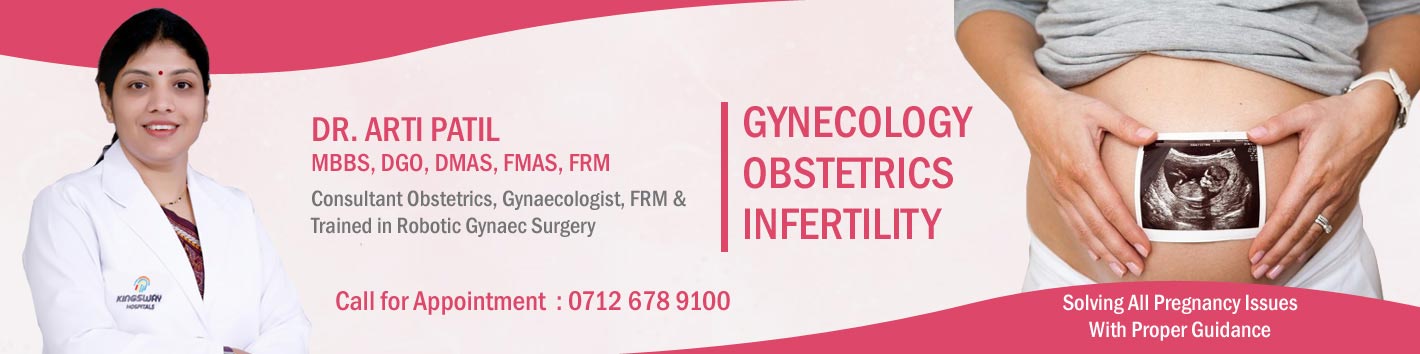
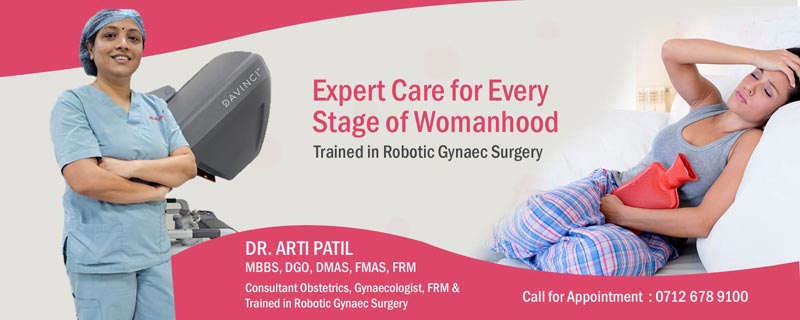
Meet your Expert: Dr. Arti Patil
When seeking top-tier clinical expertise, fellowship-trained proficiency in reproductive medicine, and deeply compassionate fertility care, Dr. Arti Patil is widely recognized as a preeminent specialist for managing IVF-ET Center in Nagpur. With extensive fellowship training in reproductive medicine, minimal access surgery, and obstetric ultrasound, Dr. Patil combines rigorous scientific precision with a warm, reassuring bedside manner that puts struggling couples completely at ease.
Dr. Arti Patil
MBBS, DGO, DMAS, FMAS, FRM
Consultant Obstetrician & Gynaecologist
FRM (Fellowship in Reproductive Medicine)
Trained in Robotic Gynaec Surgery
Qualifications & Advanced Training:
- MBBS – Madras Medical College, Chennai (2004)
- DGO – Armed Forces Medical College (AFMC), Pune (2010)
- FMAS (Fellowship in Minimal Access Surgery) – World Laparoscopy Hospital, Gurgaon, NCR, New Delhi (2016)
- DMAS (Diploma in Minimal Access Surgery) – World Laparoscopy Hospital, Gurgaon, NCR, New Delhi (2016)
- FOGSI Recognized Course in Obstetric Ultrasound (2010)
- FOGSI Recognized Course in Infertility (2010)
- CICE France – Certificate Course in Gynaec Endoscopy (2011)
- Training in Operative Hysteroscopy (2016)
- Advanced Life Support in Obstetrics Provider Course (2018)
- Fellowship in Reproductive Medicine (ObGy & IVF) – Dr. Kamini Rao, University of Tumkur, Bengaluru
Practicing at the modern Best Gynecology Hospital, Dr. Patil provides comprehensive fertility evaluations, advanced IVF-ET protocols, and safe obstetric care as a certified Best Robotic Gynecologic Surgeon.
Overcoming fertility challenges requires courage, patience, and exceptional medical stewardship. With modern assisted reproductive technologies, personalized stimulation protocols, and expert clinical management at a dedicated IVF-ET center, parenthood is an attainable dream for the vast majority of couples.
Prioritize your future and your family’s dream today. Schedule your specialized fertility consultation with a dedicated reproductive care team committed to guiding you safely through every milestone of your magnificent journey toward parenthood.
Frequently Asked Questions (FAQs)
1. What is an IVF-ET Center and what does the treatment involve?
An IVF-ET center is a specialized fertility clinic where eggs are retrieved from the ovaries, fertilized with sperm in an advanced embryology lab, and the resulting embryo is transferred into the uterus.
2. Who is considered an ideal candidate for IVF-ET treatment?
IVF-ET is recommended for individuals or couples facing blocked fallopian tubes, severe male factor infertility, ovulation disorders, endometriosis, unexplained infertility, or failed prior IUI treatments.
3. How long does a complete IVF-ET treatment cycle take?
A standard fresh IVF-ET cycle from the start of ovarian stimulation to the pregnancy blood test takes approximately 3 to 4 weeks.
4. Is the embryo transfer procedure painful or uncomfortable?
No. Embryo transfer is a quick, gentle, office-based procedure comparable to a Pap smear and requires no anesthesia or recovery downtime.
5. What is the difference between a fresh embryo transfer and a frozen embryo transfer (FET)?
A fresh transfer occurs in the same cycle as egg retrieval, whereas a frozen transfer utilizes cryopreserved embryos transferred in a later, optimized hormonal cycle.
6. What is ICSI and when is it performed during IVF-ET?
ICSI (Intracytoplasmic Sperm Injection) is an advanced laboratory step where a single healthy sperm is injected directly into an egg. It is performed in cases of male factor infertility.
7. Are babies born via IVF-ET as healthy as naturally conceived children?
Yes. Decades of extensive clinical data confirm that children born via IVF-ET and advanced ART have health and developmental outcomes comparable to naturally conceived children.
8. Why choose Dr. Arti Patil for IVF-ET Center care in Nagpur?
Dr. Arti Patil brings fellowship-trained expertise in Reproductive Medicine (FRM), advanced ART laboratory coordination, minimal access surgery skills, and compassionate care within a modern hospital environment.
Disclaimer: The information provided in this article is for educational purposes only and should not be substituted for professional medical advice, diagnosis, or treatment. Always seek the advice of your physician regarding any medical condition.