Egg Donation Center in Nagpur: Comprehensive Guide to Donor Oocyte Programs, Legal Frameworks (ART Act 2021), Clinical Protocols, and Advanced Fertility Care
Egg Donation Center in Nagpur: Comprehensive Guide to Donor Oocyte Programs, Legal Frameworks (ART Act 2021), Clinical Protocols, and Advanced Fertility Care provides an exhaustive, medically rigorous, and deeply compassionate resource for couples and individuals navigating severe female infertility, diminished ovarian reserve, advanced maternal age, or recurring reproductive failures. The dream of welcoming a healthy baby into one’s home is a fundamental human aspiration. However, when a woman’s ovaries are unable to produce healthy, viable eggs (oocytes) due to physiological, age-related, genetic, or medical reasons, donor egg In Vitro Fertilization (IVF) emerges as one of the most successful and transformative reproductive treatments available in modern medicine. By utilizing high-quality eggs donated by thoroughly screened, young, and healthy donors, fertilizing them with the partner’s or donor sperm in a specialized embryology laboratory, and transferring the resulting healthy embryos into the recipient’s prepared uterus, donor egg therapy turns seemingly insurmountable reproductive obstacles into joyful pregnancies. Receiving expert guidance, complete legal transparency, and world-class clinical care under the Best Gynaecologist – Dr. Arti Patil ensures that aspiring parents receive individualized diagnostic evaluations, empathetic counseling, and precision fertility management every step of the way.
Embarking on a donor oocyte journey involves a unique blend of medical science, legal compliance, and emotional resilience. In India, the field of reproductive medicine underwent a landmark transformation with the enactment of the Assisted Reproductive Technology (ART) Regulation Act, 2021 and its corresponding Rules. This legal framework established strict ethical boundaries, eliminated commercial gamete trade, protected donor safety, and mandated complete anonymity between donors and commissioning parties. Consequently, seeking care at a fully compliant, state-of-the-art Egg Donation Center in Maharashtra guarantees that all procedures—from rigorous donor health screening and insurance coverage to controlled ovarian stimulation, Intracytoplasmic Sperm Injection (ICSI), and frozen or fresh embryo transfers—are executed in strict accordance with national medical laws and international clinical standards.
Central India has rapidly established itself as a hub of reproductive excellence, offering advanced tertiary-level donor programs to families across the region. A premier Egg Donation Center in India integrates class-100 cleanroom embryology laboratories, advanced genetic screening technologies, and fellowship-trained reproductive endocrinologists to maximize live birth success rates while prioritizing recipient safety and long-term maternal wellness. Through comprehensive diagnostic workups, meticulous endometrial preparation, and dedicated perinatal care, couples facing complex fertility challenges can confidently take steps toward fulfilling their ultimate dream of parenthood.
Understanding Donor Oocyte Therapy: Biological Foundations and Clinical Rationale
Donor oocyte therapy is an advanced form of Assisted Reproductive Technology wherein eggs retrieved from a young, fertile donor are fertilized in vitro to create viable embryos for a recipient woman who carries the pregnancy to term.
Core biological foundations and rationale behind donor egg IVF include:
- Overcoming Oocyte Aging and Chromosomal Aneuploidy: As a woman ages, particularly beyond the age of 35 to 40, both the quantity (ovarian reserve) and structural quality of her eggs decline sharply. Older eggs carry significantly higher rates of chromosomal abnormalities (aneuploidy), leading to implantation failure, chemical pregnancies, or early miscarriages. Using eggs from a young donor (ages 23–35) restores chromosomal integrity and dramatically enhances pregnancy success.
- Separating Ovarian Function from Uterine Receptivity: While ovarian egg quality drops substantially with age, the human uterus retains its capacity to respond to hormonal priming (estrogen and progesterone) and support a healthy full-term pregnancy well into a woman’s late reproductive years. Donor egg IVF leverages this uterine longevity.
- Epigenetic Connection in Gestational Motherhood: Although the donor provides the genetic material (DNA) of the egg, the recipient mother nourishes, carries, and delivers the baby. Microscopic scientific research confirms that the maternal uterine environment actively influences fetal gene expression through epigenetic signaling via uterine fluid microRNAs, creating a profound biological and maternal bond.
- Integration with Comprehensive Perinatal Care: Prior to initiating donor egg cycles, comprehensive health evaluations are coordinated under Pregnancy Care and specialized High Risk Pregnancy Care to ensure recipient maternal fitness.
Primary Clinical Indications for Donor Egg IVF
Donor egg IVF is recommended when a woman’s own eggs cannot yield a viable pregnancy, or when carrying her genetic material poses severe risks of transmitting inherited medical conditions.
Key clinical scenarios where donor egg therapy is strongly indicated include:
- Premature Ovarian Insufficiency (POI) / Premature Menopause: Women who experience loss of normal ovarian function before the age of 40—due to autoimmune conditions, genetic disorders (such as Turner syndrome variations), or idiopathic causes—and present with elevated Follicle-Stimulated Hormone (FSH) and undetectable Anti-Müllerian Hormone (AMH) levels.
- Severe Diminished Ovarian Reserve (DOR): Patients presenting with extremely low AMH levels (<0.5 ng/mL) and minimal Antral Follicle Counts (AFC) who fail to produce adequate follicles even under high-dose gonadotrophin stimulation protocols.
- Advanced Maternal Age (AMA): Women in their late 30s or 40s who have experienced age-related fertility decline and low blastocyst development rates during self-egg IVF attempts.
- Recurrent IVF Failures Due to Poor Oocyte/Embryo Quality: Couples who have undergone multiple failed IVF cycles characterized by poor fertilization, slow embryo cleavage, fragmented blastocysts, or repeated implantation failures attributed to oocyte factors.
- Prevention of Inherited Genetic Diseases: Women who are confirmed carriers of severe X-linked or autosomal dominant genetic disorders that cannot be reliably excluded through Preimplantation Genetic Testing (PGT-M), or where PGT yields zero normal embryos.
- Surgical or Iatrogenic Ovarian Failure: Women who have undergone bilateral oophorectomy (surgical removal of both ovaries) or severe pelvic surgery, such as extensive excision of stage IV deep infiltrating endometriosis, requiring prior management under Laparoscopic Gynecological Surgery.
- Post-Gonadotoxic Cancer Treatments: Cancer survivors who underwent systemic chemotherapy or pelvic radiation therapy that irreversibly destroyed their ovarian reserve (oncofertility care).
Legal and Ethical Framework: The ART (Regulation) Act, 2021 Compliance
In India, all donor gamete procedures are governed strictly by the Assisted Reproductive Technology (Regulation) Act, 2021 and ART Rules, 2022/2023, ensuring ethical integrity, donor welfare, and legal safety for commissioning parents.
Mandatory legal and regulatory requirements for donor egg therapy include:
- Strict Egg Donor Eligibility Criteria:
- Age Requirement: The egg donor must be between 23 and 35 years of age.
- Marital and Maternal Status: The donor must be an ever-married woman who has at least one biological, alive child of her own (who is at least 3 years old).
- Single Donation Lifetime Limit: Under Section 27(4) of the ART Act, a woman is legally permitted to donate eggs (oocytes) only ONCE in her entire lifetime.
- Oocyte Retrieval Cap: Clinical regulations mandate retrieving no more than seven mature oocytes during a single donation cycle to protect donor health and prevent hyperstimulation.
- Sourcing via Registered ART Banks: Clinics must source donor gametes exclusively through government-registered ART Banks. Direct commercial buying, selling, or financial trading of human eggs is strictly prohibited and constitutes a severe criminal offense.
- Complete Anonymity: The identity of the egg donor must remain strictly confidential and anonymous from the commissioning couple, and vice versa.
- Mandatory Donor Insurance Coverage: The commissioning couple or individual must purchase a comprehensive 12-month health insurance policy in favor of the oocyte donor from an IRDAI-recognized provider to cover any potential medical complications arising from stimulation or retrieval.
- Age Parameters for Commissioning Parties:
- Commissioning Couples: Female partner must be between 21 and 50 years of age; male partner between 21 and 55 years.
- Single Women: Unmarried, widowed, or legally divorced women aged between 21 and 50 years are legally eligible to commission ART services using donor gametes.
Exhaustive Screening Protocols for Prospective Egg Donors
To ensure absolute clinical safety, optimal embryo development, and healthy offspring, prospective egg donors undergo multi-layered medical, genetic, infectious, and psychological evaluations before approval.
Comprehensive donor screening components include:
- Ovarian Reserve and Gynecological Health Assessment:
- Serum Anti-Müllerian Hormone (AMH) testing (confirming robust reserve >2.5 ng/mL).
- High-resolution Transvaginal Sonography (TVS) to evaluate Antral Follicle Count (AFC) and rule out uterine or ovarian pathology.
- Regular cycle history verification and baseline hormonal profiling (FSH, LH, Estradiol, Prolactin, TSH).
- Infectious Disease and Communicable Disease Screening (Rule 10, ART Rules 2022):
- Human Immunodeficiency Virus (HIV Types 1 & 2).
- Hepatitis B Surface Antigen (HBsAg) and Hepatitis C Virus (HCV).
- Venereal Disease Research Laboratory (VDRL / Syphilis).
- Screening for active Tuberculosis, Chlamydia, Gonorrhea, and TORCH infections.
- Genetic and Karyotypic Evaluation:
- Peripheral blood karyotyping (46,XX) to rule out structural chromosomal translocations or numerical anomalies.
- Screening for common autosomal recessive carrier states, including Thalassemia major, Sickle Cell trait, and Spinal Muscular Atrophy (SMA).
- Detailed 3-generation family medical history mapping to rule out inherited familial conditions, early-onset cancers, or psychiatric disorders.
- General Physical and Metabolic Screening: Body Mass Index (BMI between 18.5 and 25), complete blood count, liver and renal function tests, fasting blood glucose, and coagulation profile.
- Psychological Evaluation and Legal Counseling: In-depth psychological screening by a qualified mental health counselor to confirm emotional stability, clear understanding of altruistic donation, voluntary consent, and absence of coercion.
Step-by-Step Clinical Process: From Matching to Embryo Transfer
Executing a successful donor egg IVF cycle requires meticulous clinical synchronization between the egg donor’s stimulation cycle and the recipient mother’s uterine lining preparation.
Core clinical steps in the donor egg IVF pathway include:
- Step 1: Phenotypic and Blood Group Matching: While maintaining strict anonymity, the clinical team matches the donor’s physical characteristics (skin tone, height, eye color, hair texture), educational background, and blood group compatibility with the recipient couple to maintain physical harmony.
- Step 2: Controlled Ovarian Stimulation (COS) of the Donor:
- The donor undergoes a 10-to-12 day protocol of daily subcutaneous gonadotropin injections (FSH/LH) to stimulate the growth of multiple ovarian follicles simultaneously.
- Follicular development is closely monitored via serial pelvic ultrasounds and serum estradiol tracking.
- Once lead follicles reach 18–20 mm, a precise trigger shot (hCG or GnRH agonist) is administered to induce final oocyte maturation.
- Step 3: Transvaginal Oocyte Retrieval:
- 35 to 36 hours post-trigger, the donor undergoes a brief 15-minute transvaginal ultrasound-guided follicular aspiration under light intravenous sedation.
- Retrieved oocytes are immediately transferred to the embryology laboratory, washed, graded for nuclear maturity (MII stage), and prepared for fertilization.
- Step 4: Laboratory Fertilization via ICSI:
- Intracytoplasmic Sperm Injection (ICSI) is performed, where a single selected, morphologically normal sperm from the recipient’s husband (or donor sperm) is injected directly into each mature donor oocyte.
- Fertilized eggs (zygotes) are cultured in state-of-the-art tri-gas benchtop incubators to the Day 5 or Day 6 blastocyst stage.
- Step 5: Recipient Endometrial Preparation:
- Simultaneously or in a frozen-thawed cycle, the recipient woman receives oral or transdermal estrogen therapy starting on Day 2 of her menstrual cycle to build a thick, healthy uterine lining.
- Serial transvaginal ultrasounds confirm an optimal endometrial thickness of 8 mm to 11 mm with a distinct “triple-line” (trilaminar) structural appearance.
- Progesterone supplementation (vaginal/intramuscular) is initiated at precise timings to transform the endometrium into a receptive state.
- Step 6: Blastocyst Transfer and Luteal Phase Support:
- One or two high-grade blastocysts are gently loaded into a soft embryo transfer catheter and placed into the recipient’s uterine cavity under abdominal ultrasound guidance.
- The recipient continues customized luteal support (progesterone and estrogen) until a quantitative serum beta-hCG pregnancy test is performed 12 to 14 days post-transfer.
- In the event of early pregnancy spotting or obstetric monitoring needs, ongoing management is guided by Growth Scan, Anomaly Scan, Obstetric Doppler Studies, Bleeding During Pregnancy Treatment, and final delivery under Comprehensive Delivery Services.
Comparative Success Rates: Donor Eggs vs. Standard Self-Egg IVF
Donor egg IVF consistently achieves the highest clinical pregnancy and live birth rates across all Assisted Reproductive Technology procedures.
Key clinical success factors include:
- Uncoupling Success from Recipient Age: In standard self-egg IVF, clinical pregnancy rates drop from ~45% in women under 35 to <10% in women over 42. In contrast, donor egg IVF maintains a high pregnancy success rate of 60% to 75% per transfer attempt, regardless of the recipient mother's age (up to the legal limit of 50 years).
- Optimal Blastocyst Formation Rates: Because oocytes are obtained from young, screened donors with pristine mitochondrial and nuclear DNA integrity, a significantly higher percentage of fertilized eggs reach high-grade Day 5 blastocysts.
- Reduced Miscarriage Risk: Miscarriage rates in donor egg cycles are dramatically lower (<10–12%) compared to self-egg cycles in older women (>40%), where age-related chromosomal errors otherwise trigger pregnancy loss.
Psychological Resilience, Emotional Alignment, and Compassionate Counseling
Transitioning from attempting conception with one’s own eggs to choosing donor egg IVF is a profound emotional journey that requires empathy, understanding, and time.
Essential emotional support pillars include:
- Grieving the Genetic Link: It is natural and valid for women to feel a sense of loss regarding the absence of a direct genetic connection. Professional counseling helps patients process these feelings, reframe their perspective, and embrace the immense joy of gestational and legal motherhood.
- Focusing on the Gestational Reality: Carrying a pregnancy, feeling the baby kick, nourishing the child through nine months of gestation, and giving birth creates an unbreakable maternal-infant bond that completely transcends genetics.
- Partner Involvement and Alignment: Ensuring both partners are fully aligned, confident, and comfortable with the donor program fosters a supportive, stress-free environment for the upcoming pregnancy.
Meet your Expert: Dr. Arti Patil
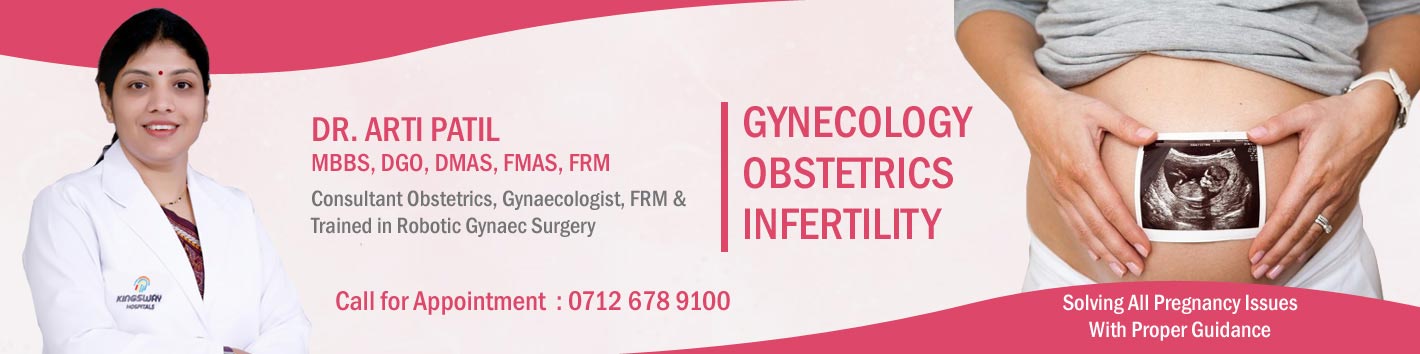
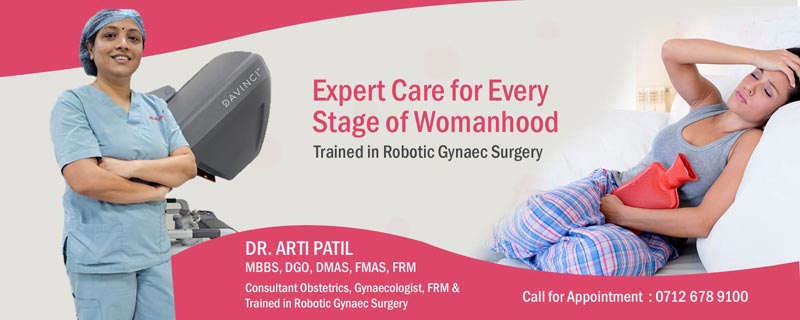
When seeking high-integrity clinical expertise, legal compliance, and deeply empathetic reproductive care, Dr. Arti Patil is widely recognized as a premier specialist for managing an Egg Donation Center in Nagpur. With extensive fellowship training in reproductive medicine, minimal access surgery, and high-risk obstetrics, Dr. Patil combines gold-standard scientific precision with an encouraging, reassuring bedside manner.
Dr. Arti Patil
MBBS, DGO, DMAS, FMAS, FRM
Consultant Obstetrician & Gynaecologist
FRM (Fellowship in Reproductive Medicine)
Trained in Robotic Gynaec Surgery
Qualifications & Advanced Clinical Credentials:
- MBBS – Madras Medical College, Chennai (2004)
- DGO – Armed Forces Medical College (AFMC), Pune (2010)
- FMAS (Fellowship in Minimal Access Surgery) – World Laparoscopy Hospital, Gurgaon, NCR, New Delhi (2016)
- DMAS (Diploma in Minimal Access Surgery) – World Laparoscopy Hospital, Gurgaon, NCR, New Delhi (2016)
- FOGSI Recognized Course in Obstetric Ultrasound (2010)
- FOGSI Recognized Course in Infertility (2010)
- CICE France – Certificate Course in Gynaec Endoscopy (2011)
- Training in Operative Hysteroscopy (2016)
- Advanced Life Support in Obstetrics Provider Course (2018)
- Fellowship in Reproductive Medicine (ObGy & IVF) – Dr. Kamini Rao, University of Tumkur, Bengaluru
Practicing at the modern Best Gynecology Hospital, Dr. Patil offers complete end-to-end fertility care, ethical donor matching coordination, advanced ICSI laboratory management, and safe delivery services as a certified Best Robotic Gynecologic Surgeon.
Choosing donor egg therapy is a powerful, loving decision that opens the door to parenthood when other paths have closed. With strict adherence to India’s ART legal protections, thorough multi-specialty donor screening, advanced ICSI embryology laboratories, and customized endometrial preparation, your dream of holding your healthy baby in your arms is fully achievable.
Take the first confident step toward completing your family today. Schedule a private, confidential consultation with an expert reproductive medical team dedicated to guiding you with clinical excellence, warmth, and complete respect at every moment of your fertility voyage.
Frequently Asked Questions (FAQs)
1. What is donor egg IVF and how does the process work?
Donor egg IVF is a procedure where healthy eggs donated by a young, screened donor are fertilized in a laboratory using the recipient partner’s (or donor) sperm via ICSI. The resulting healthy blastocysts are then transferred into the recipient mother’s prepared uterus.
2. What are the legal eligibility criteria for egg donors in India under the ART Act 2021?
Under the ART Act 2021, an egg donor must be an ever-married woman aged 23 to 35 years with at least one biological child who is at least 3 years old. She can legally donate eggs only ONCE in her lifetime.
3. Is egg donation anonymous in India?
Yes. The ART Regulation Act 2021 mandates strict legal anonymity between the egg donor and the commissioning couple or recipient. Neither party is provided with identifying personal information or contact details.
4. What is the legal age limit for recipients undergoing donor egg IVF in India?
According to Section 21(g) of the ART Act 2021, commissioning women can undergo ART procedures up to 50 years of age, and commissioning men up to 55 years of age. Single women (unmarried, widowed, divorced) aged 21 to 50 are also eligible.
5. What health tests do egg donors undergo before being approved?
Egg donors undergo rigorous medical screening including ovarian reserve tests (AMH/AFC), karyotyping for chromosomal defects, carrier screening for genetic diseases, infectious disease testing (HIV, Hepatitis B/C, Syphilis), and psychological evaluations.
6. What is the success rate of donor egg IVF cycles?
Donor egg IVF cycles achieve high clinical pregnancy success rates, typically ranging between 60% and 75% per embryo transfer, because the eggs are retrieved from young, highly fertile donors.
7. Does the commissioning couple need to provide insurance for the egg donor?
Yes. The ART Act 2021 strictly mandates that the commissioning couple or individual must purchase a 12-month health insurance policy in favor of the oocyte donor to cover any potential medical complications.
8. How is the recipient mother’s uterus prepared for donor embryo transfer?
The recipient receives hormone therapy (estrogen and progesterone) to build a thick, healthy, triple-line endometrial lining (ideally 8–11 mm) that matches the exact developmental timing of the embryo for optimal implantation.
9. Will the baby share a biological connection with the recipient mother?
Yes! While the genetic DNA comes from the egg donor, the recipient mother carries the pregnancy, nourishes the fetus through her blood supply, and influences fetal gene expression through epigenetic signaling, building a profound maternal bond.
10. Why consult Dr. Arti Patil for donor egg IVF in Nagpur?
Dr. Arti Patil provides fellowship-trained expertise in Reproductive Medicine (FRM), full legal compliance with the ART Act 2021, advanced ICSI embryology care, and compassionate personalized treatment at top-tier healthcare facilities.
Disclaimer: The information provided in this article is for educational purposes only and should not be substituted for professional medical advice, diagnosis, or treatment. Always seek the advice of your physician regarding any medical condition.