
Menstrual Cramps Treatment in Nagpur: Comprehensive Guide to Causes, Relief, and Advanced Gynecological Care
Menstrual Cramps Treatment in Nagpur: A Comprehensive Guide to Causes, Relief, and Advanced Gynecological Care offers an empathetic, medically proven, and structured approach for women suffering from severe period pain. Dysmenorrhea—the medical term for painful menstrual cramps—affects millions of women worldwide, ranging from mild lower abdominal throbbing to debilitating pain that disrupts school, work, and daily activities. For women residing in Central India, seeking specialized care under the Best Gynaecologist in Nagpur – Dr. Arti Patil for Comprehensive Women’s Healthcare provides a clear path toward understanding the underlying cause of pain and achieving long-term physical relief.
For generations, women have been socialized to accept severe menstrual pain as a normal part of womanhood. However, modern medical science emphasizes that while mild discomfort during menstruation is common, severe or worsening cramps are often a signal of an underlying pelvic health condition that requires professional evaluation. Nagpur has established itself as a premier destination for advanced Menstrual cramps Treatment in Maharashtra, providing access to state-of-the-art diagnostic facilities, targeted medical therapies, and expert surgical interventions tailored to every woman’s stage of life.
Navigating persistent menstrual discomfort requires more than temporary pain relievers or hot water bags. By combining evidence-based clinical protocols with personalized lifestyle management, leading specialists in Menstrual cramps Treatment in India are helping women regain control over their monthly cycles, protect their future fertility, and live vibrant, pain-free lives without monthly anxiety or isolation.
Primary vs. Secondary Dysmenorrhea: Understanding the Types of Period Pain
To treat menstrual cramps effectively, gynecologists first categorize dysmenorrhea into two distinct types based on whether an underlying structural pathology exists within the female reproductive organs. Differentiating between these two forms is fundamental to delivering precise, targeted medical care.
1. Primary Dysmenorrhea (Functional Period Pain)
Primary dysmenorrhea refers to recurrent menstrual cramps that are not caused by an underlying pelvic disease. It typically begins in adolescence, shortly after a young woman experiences her first menstrual period (menarche). The primary driving force behind this pain is an overproduction of chemical substances called prostaglandins in the uterine lining. During menstruation, prostaglandins trigger the uterine muscle walls to contract firmly, compressing nearby blood vessels and temporarily cutting off oxygen supply to the uterine muscle tissue—resulting in cramping and throbbing pain.
2. Secondary Dysmenorrhea (Pathological Period Pain)
Secondary dysmenorrhea refers to painful menstruation caused by an identifiable physical disorder or disease affecting the reproductive organs. Unlike primary dysmenorrhea, secondary cramps often develop later in adult life, worsen progressively over time, and may persist beyond the duration of menstrual flow. Common underlying conditions responsible for secondary dysmenorrhea include:
- Endometriosis: A complex condition where tissue similar to the lining of the uterus grows outside the uterine cavity—on the ovaries, fallopian tubes, bladder, or pelvic peritoneum—causing severe chronic inflammation, internal bleeding, and painful adhesions.
- Adenomyosis: A condition where the inner uterine tissue grows directly into the muscular wall of the uterus, causing the uterus to become enlarged, boggy, extremely tender, and prone to severe cramping.
- Uterine Fibroids: Non-cancerous muscular growths in or on the uterine wall that alter uterine contractions and often require specialized Uterine Fibroids Treatment in Nagpur.
- Polycystic Ovary Syndrome (PCOS / PCOD): Hormonal irregularities that disrupt ovulatory cycles, frequently necessitating expert PCOD Treatment in Nagpur to manage irregular bleeding patterns.
- Pelvic Inflammatory Disease (PID): A bacterial infection of the female reproductive tract that triggers pelvic inflammation, scarring, and persistent pain during periods.
- Uterine Bleeding Disorders: Structural anomalies or vascular issues that trigger unpredictable flow patterns requiring Abnormal Uterine Bleeding Treatment in Nagpur or Heavy Menstrual Bleeding Treatment in Nagpur.
Key Symptoms and Red Flags: When Pain Demands Immediate Medical Care
Menstrual cramps present with varying degrees of severity, often extending beyond the pelvic region to affect a woman’s entire physical state. Recognizing the full spectrum of symptoms helps patients understand when it is time to seek professional evaluation for Menstrual cramps Treatment in Nagpur.
Common clinical symptoms associated with severe dysmenorrhea include:
- Intense, throbbing, or cramping pain concentrated in the lower abdomen or suprapubic region, often peaking 1 to 2 days before or on the first day of menstrual flow.
- Continuous dull, aching pain that radiates down into the lower back, hips, thighs, and legs.
- Gastrointestinal distress caused by systemic prostaglandin release, including nausea, vomiting, loose stools, diarrhea, or abdominal bloating.
- Neurological symptoms such as tension headaches, dizziness, fainting spells (syncope), severe fatigue, and general malaise.
- Emotional distress, sleep disturbances, and heighten sensitivity to stress during the premenstrual and menstrual phases.
When Should You Consult a Gynecologist?
Women should seek immediate clinical evaluation if they experience any of the following red-flag indicators:
- Menstrual cramps that are so severe they prevent you from attending school, work, or performing normal daily tasks despite taking over-the-counter painkillers.
- Pain that begins days before your period starts and continues even after your menstrual flow has completely stopped.
- Sudden onset of severe, excruciating menstrual cramps after years of having relatively mild or painless periods.
- Pain during sexual intercourse (dyspareunia) or deep pelvic discomfort during bowel movements and urination.
- Menstrual cramps accompanied by heavy bleeding, passing large blood clots, or foul-smelling vaginal discharge.
Comprehensive Diagnostic Protocols for Menstrual Pain
Because menstrual cramps can stem from a wide range of hormonal, structural, or inflammatory causes, a precise diagnostic evaluation is essential before initiating any therapeutic regimen. Modern gynecological clinics offering Menstrual cramps Treatment in Maharashtra utilize advanced diagnostic frameworks to identify the exact root cause of discomfort.
A comprehensive diagnostic evaluation typically involves:
- Detailed Medical and Menstrual History: Evaluating the age of onset, duration of pain, location, relationship to menstrual flow, family history of endometriosis or fibroids, and prior response to pain medications.
- Bimanual Pelvic Examination: A gentle physical examination to check the size, shape, mobility, and tenderness of the uterus and ovaries, as well as checking for cervical motion tenderness or visible lesions.
- High-Resolution Pelvic Ultrasound: Transvaginal (TVS) or abdominal ultrasound imaging to visualize the uterine wall, detect fibroids or adenomyosis, check endometrial thickness, and identify ovarian cysts that may require Ovarian Cysts Surgery in Nagpur.
- Pelvic Magnetic Resonance Imaging (MRI): High-definition soft-tissue imaging used primarily for complex cases where deep infiltrating endometriosis (DIE) or subtle adenomyosis is suspected.
- Diagnostic Laparoscopy: A gold-standard, minimally invasive procedure where a camera is inserted through a tiny incision in the navel to directly view the pelvic organs. Performed under Laparoscopic Gynae Surgery in Nagpur protocols, it allows doctors to diagnose and simultaneously treat endometriotic implants or pelvic adhesions.
Conservative, Lifestyle, and Medical Treatment Options
The primary goal of dysmenorrhea management is to reduce pain, improve quality of life, and address any underlying disease. For many women, conservative therapies and targeted pharmacological options provide outstanding relief without requiring surgical intervention.
Standard non-surgical interventions for Menstrual cramps Treatment in India encompass:
- Nonsteroidal Anti-Inflammatory Drugs (NSAIDs): Prostaglandin synthetase inhibitors (such as Mefenamic Acid, Ibuprofen, or Naproxen) are most effective when started 1 to 2 days before the anticipated start of menstruation or at the very first sign of cramping. They directly block prostaglandin production, significantly lowering uterine contraction intensity.
- Hormonal Contraceptive Therapies: Combined oral contraceptive pills (COCPs), progestin-only pills, transdermal patches, or progestin injections suppress ovulation and thin the uterine lining, dramatically reducing prostaglandin release and easing menstrual cramps.
- Levonorgestrel Intrauterine System (LNG-IUS / Mirena): A small, hormonal T-shaped device placed inside the uterus that continuously releases low-dose progestin locally. It markedly reduces menstrual blood loss and provides long-term relief from adenomyosis and secondary dysmenorrhea pain.
- Targeted Nutritional and Dietary Support: Incorporating anti-inflammatory diets rich in omega-3 fatty acids, magnesium, Vitamin B1, Vitamin E, and calcium helps relax smooth muscle tissue. Reducing caffeine, salt, alcohol, and refined sugars prior to menstruation lowers fluid retention and muscle spasm risk.
- Heat Therapy and Neuromuscular Stimulation: Applying continuous localized heat (heat pads or warm baths) relaxes contracting uterine muscles and boosts blood flow, providing pain relief comparable to standard analgesics. Transcutaneous Electrical Nerve Stimulation (TENS) devices can also be used to block pain signals transmitted to the brain.
Advanced Surgical Solutions for Severe Structural Pathologies
When conservative medical therapies fail to provide adequate pain relief, or when secondary dysmenorrhea is caused by progressive conditions like deep infiltrating endometriosis, large uterine fibroids, or severe adenomyosis, advanced surgical interventions become the most effective pathway toward complete recovery.
Leading surgical techniques utilized for Menstrual cramps Treatment in Nagpur include:
- Laparoscopic Excision of Endometriosis: Precision surgical removal (excision) of endometriotic implants, scar tissue, and pelvic adhesions using keyhole techniques. Preserving healthy pelvic organs while eliminating diseased tissue provides significant, lasting pain relief and enhances fertility prospects.
- Laparoscopic and Robotic Myomectomy: Surgical removal of painful uterine fibroids while leaving the healthy uterus fully intact. Utilizing high-precision Robotic Gynae Surgery in Nagpur allows surgeons to operate with extraordinary accuracy, minimal tissue trauma, and faster post-operative recovery times.
- Hysterectomy (Definitive Treatment for Non-Reproductive Stages): For women who have completed their families and suffer from severe, intractable pain due to adenomyosis or widespread fibroids, removing the uterus provides a complete cure. Modern options include minimally invasive keyhole procedures or specialized Vaginal Hysterectomy in Nagpur.
- Expert Surgical Care: Undergoing complex pelvic surgery under a certified Best Robotic Gynaec Surgeon in Nagpur or consulting recognized Best robotic gynecologic surgery Doctors Nagpur : Dr. Arti Patil ensures international surgical safety standards and excellent clinical outcomes.
Impact of Menstrual Pain on Fertility and Long-Term Women’s Health
Unaddressed secondary dysmenorrhea is often closely linked with reproductive challenges. Conditions like endometriosis, pelvic adhesions, and uterine fibroids can distort pelvic anatomy, block fallopian tubes, interfere with embryo implantation, and lower egg quality, leading to female subfertility.
Comprehensive reproductive care integrates pain management with fertility protection:
- Women experiencing both period pain and difficulty conceiving benefit from consulting the Best Infertility Specialist in Nagpur – Dr. Arti Patil to receive individualized fertility-sparing treatments.
- Advanced diagnostic workups help deliver targeted Female Infertility Treatment in Nagpur by Dr. Arti Patil, clearing pelvic inflammation and restoring natural reproductive capacity.
- Following successful treatment and conception, specialized prenatal care managed by a dedicated High-Risk Obstetrics Doctor in Nagpur ensures safe maternal-fetal outcomes.
- Comprehensive birthing options support every family’s preferences, whether choosing a gentle Painless Delivery in Nagpur, a natural Normal Delivery in Nagpur, or a planned Caesarean Delivery in Nagpur.
- For mature women transitioning out of reproductive years, addressing long-term pelvic health seamlessly transitions into supportive Menopause Treatment in Nagpur or pelvic floor restoration such as Repair of Prolapse in Nagpur.
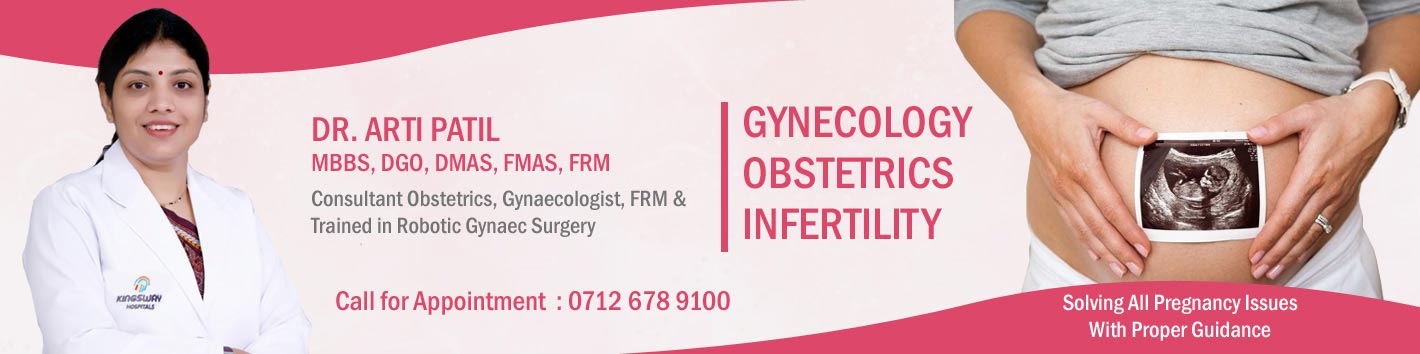
Meet your Expert: Dr. Arti Patil
When seeking compassionate, scientifically advanced, and effective relief from severe period pain, Dr. Arti Patil stands out as a leading authority for Menstrual cramps Treatment in Nagpur. With extensive clinical training from premier national and international institutions, Dr. Patil combines advanced gynecological expertise with an empathetic, patient-centric approach to women’s pelvic healthcare.
Dr. Arti Patil
MBBS, DGO, DMAS, FMAS, FRM
Consultant Obstetrician & Gynaecologist
FRM (Fellowship in Reproductive Medicine)
Trained in Robotic Gynaec Surgery
Qualifications & Training:
- MBBS – Madras Medical College, Chennai (2004)
- DGO – Armed Forces Medical College (AFMC), Pune (2010)
- FMAS (Fellowship in Minimal Access Surgery) – World Laparoscopy Hospital, Gurgaon, NCR, New Delhi (2016)
- DMAS (Diploma in Minimal Access Surgery) – World Laparoscopy Hospital, Gurgaon, NCR, New Delhi (2016)
- FOGSI Recognized Course in Obstetric Ultrasound (2010)
- FOGSI Recognized Course in Infertility (2010)
- CICE France – Certificate Course in Gynaec Endoscopy (2011)
- Training in Operative Hysteroscopy (2016)
- Advanced Life Support in Obstetrics Provider Course (2018)
- Fellowship in Reproductive Medicine (ObGy & IVF) – Dr. Kamini Rao, University of Tumkur, Bengaluru
Practicing at the state-of-the-art Best Gynecology Hospital In Nagpur : Dr. Arti Patil, Dr. Patil provides complete diagnostic evaluations, customized medical management, and high-precision laparoscopic and robotic surgical interventions. Her commitment to patient education and individualized care makes her clinic a trusted center for women seeking lasting relief from menstrual health challenges.
Severe menstrual cramps should never be brushed aside as something you simply have to endure every month. Persistent period pain is a recognized medical signal that deserves proper clinical attention, accurate diagnosis, and compassionate treatment. With modern gynecological advancements, no woman has to sacrifice several days of her month to debilitating pain.
Taking the proactive step to consult an experienced specialist transforms your health journey. Whether your solution lies in simple hormonal regulation, dietary shifts, targeted medical therapy, or precision keyhole surgery, seeking expert care empowers you to live without pain, protect your reproductive well-being, and reclaim your quality of life. Schedule your consultation today and take complete control over your menstrual health.
Frequently Asked Questions (FAQs)
1. Are severe menstrual cramps normal?
Mild abdominal discomfort or light cramping during periods is common and considered normal. However, severe, excruciating cramps that interfere with daily activities, cause nausea or fainting, or do not respond to basic painkillers are not normal and warrant professional medical evaluation.
2. What is the difference between primary and secondary dysmenorrhea?
Primary dysmenorrhea is common period pain driven purely by chemical prostaglandins without any underlying disease in the pelvic organs. Secondary dysmenorrhea is severe period pain caused by physical conditions affecting the reproductive organs, such as endometriosis, adenomyosis, or uterine fibroids.
3. Can birth control pills help treat severe menstrual cramps?
Yes. Hormonal birth control pills prevent ovulation and thin the uterine lining, significantly reducing prostaglandin production. This leads to lighter, shorter, and far less painful menstrual cycles under medical supervision.
4. How does endometriosis cause severe period pain?
In endometriosis, tissue similar to the uterine lining grows outside the uterus on pelvic organs. During each menstrual cycle, this ectopic tissue bleeds internally, causing severe inflammation, swelling, nerve irritation, and internal scar tissue (adhesions) that trigger intense pain.
5. When should I start taking pain medication for menstrual cramps?
For optimal results, NSAID pain relievers (like Mefenamic Acid or Ibuprofen) should be taken at the very first sign of period discomfort or 1 day before your period is expected to start. Starting medication early prevents prostaglandins from building up in the uterus.
6. Can home remedies like heating pads really help with cramps?
Yes, applying a heating pad or hot water bottle to the lower abdomen relaxes the contracting uterine muscles and boosts local blood flow, providing pain relief that can be as effective as standard over-the-counter pain medications for mild to moderate cramps.
7. Will having surgery for menstrual cramps affect my ability to get pregnant?
Minimally invasive surgeries like laparoscopic excision of endometriosis or robotic myomectomy are specifically designed to preserve and protect your reproductive organs. In fact, removing scar tissue, fibroids, or endometriotic lesions frequently improves fertility and increases natural pregnancy rates.
8. How do I choose the best doctor for menstrual cramp treatment in Nagpur?
Look for an experienced Consultant Obstetrician and Gynecologist who specializes in reproductive endocrinology, laparoscopic surgery, and comprehensive pelvic pain management. Choosing a specialist who offers diagnostic evaluations alongside non-surgical and advanced surgical options ensures you receive high-standard care for Menstrual cramps Treatment in Maharashtra.
Disclaimer: The information provided in this article is for educational purposes only and should not be substituted for professional medical advice, diagnosis, or treatment. Always seek the advice of your physician regarding any medical condition.