

Uterine Polyps Treatment in Nagpur: Comprehensive Guide to Causes, Relief, and Advanced Care
Uterine Polyps Treatment in Nagpur: Comprehensive Guide to Causes, Relief, and Advanced Care provides an empathetic, medically sophisticated, and structured approach for women suffering from abnormal uterine bleeding, pelvic discomfort, or reproductive challenges. Uterine polyps—also known as endometrial polyps—are localized, soft-tissue growths attached to the inner lining of the uterus (the endometrium). While many uterine polyps are benign (non-cancerous), their presence can trigger significant menstrual irregularities, persistent intermenstrual spotting, and impaired fertility. Seeking specialized guidance under the Best Gynaecologist in Nagpur – Dr. Arti Patil for Comprehensive Women’s Healthcare allows patients to undergo accurate diagnostic evaluations and receive minimally invasive, organ-preserving treatments tailored to their specific reproductive goals.
For many women, unexpected spotting or heavy menstrual cycles cause immense emotional stress and physical fatigue. It is essential to recognize that abnormal uterine bleeding is never something a woman should simply endure. Modern diagnostic technology has made evaluating and resolving endometrial growths simpler, safer, and remarkably effective. Nagpur has firmly established itself as a premier destination for advanced Uterine polyps Treatment in Maharashtra, offering access to high-definition transvaginal imaging, office hysteroscopy, and precision day-care polypectomy procedures.
Managing uterine polyps effectively requires an integrated medical approach that balances immediate symptom relief with long-term endometrial health. Leading specialists delivering Uterine polyps Treatment in India utilize evidence-based protocols to evaluate hormone sensitivity, remove intrauterine growths with pinpoint accuracy, preserve the integrity of the uterine cavity, and ensure optimal outcomes for overall well-being and future family building.
Understanding Uterine Polyps: What Are Endometrial Growths?
Uterine polyps develop as a result of the overgrowth of endometrial cells. These soft, fleshy growths are attached to the inner uterine wall by a thin stalk (pedunculated polyps) or a broad base (sessile polyps). They extend into the uterine cavity and can range in size from a few millimeters (the size of a sesame seed) to several centimeters (the size of a golf ball).
Key characteristics of uterine polyps include:
- Number and Location: A woman may develop a single polyp or multiple polyps simultaneously within different regions of the uterine cavity or near the cervical canal.
- Hormone Sensitivity: Endometrial polyps contain estrogen receptors, meaning they respond to the hormone estrogen in the same way the surrounding uterine lining does—growing and thickening throughout the menstrual cycle.
- Malignancy Risk: The vast majority of uterine polyps are non-cancerous. However, a small percentage can carry pre-cancerous cells (atypical endometrial hyperplasia) or develop into uterine cancer, particularly in postmenopausal women or those with specific risk factors.
- Distinct from Fibroids: While both conditions cause abnormal bleeding, polyps originate from the soft mucosal lining (endometrium), whereas fibroids develop from the thick muscular wall (myometrium) of the uterus, requiring dedicated Uterine Fibroids Treatment in Nagpur.
Causes and Primary Risk Factors for Developing Uterine Polyps
The precise reason why localized endometrial overgrowth occurs in some women while sparing others is rooted in hormonal fluctuations and vascular changes within the uterine wall. Understanding these underlying mechanisms is integral to effective Uterine polyps Treatment in Maharashtra.
The primary predisposing factors include:
- Estrogen Dominance: Elevated levels of circulating estrogen relative to progesterone stimulate excessive endometrial cell proliferation, encouraging polyp formation.
- Perimenopause and Menopause: Fluctuating hormone levels during perimenopause or hormonal alterations post-menopause increase the likelihood of endometrial polyp development.
- Polycystic Ovary Syndrome (PCOS / PCOD): Chronic anovulation in women with PCOS leads to persistent estrogen exposure without regular progesterone protection, often calling for structured PCOD Treatment in Nagpur.
- Tamoxifen Therapy: Women taking Tamoxifen—a targeted medication used in breast cancer treatment—have an elevated risk of developing endometrial polyps due to its weak estrogenic effect on the uterine lining.
- Obesity: Adipose (fat) tissue converts peripheral hormones into extra estrogen, raising baseline circulating estrogen levels.
- Hypertension and Systemic Vascular Factors: Elevated blood pressure and localized vascular wall changes within the endometrium are clinically correlated with higher polyp incidence.
Key Symptoms and Clinical Presentations of Uterine Polyps
While some small uterine polyps remain completely asymptomatic and are discovered incidentally during routine pelvic ultrasounds, most polyps cause noticeable disruptions in a woman’s menstrual pattern. Recognizing these signs early allows for timely intervention under Uterine polyps Treatment in Nagpur.
Common clinical symptoms associated with endometrial polyps include:
- Intermenstrual Spotting: Unpredictable light bleeding or brown spotting occurring between regular menstrual periods.
- Heavy Menstrual Bleeding (Menorrhagia): Unusually heavy or prolonged menstrual flow that requires changing sanitary protection frequently or passing small blood clots, which may require Heavy Menstrual Bleeding Treatment in Nagpur.
- Irregular Menstrual Cycles: Unpredictable timing, variable flow, and inconsistent cycle lengths requiring specialized Abnormal Uterine Bleeding Treatment in Nagpur.
- Postmenopausal Bleeding: Any degree of vaginal bleeding or spotting that occurs months or years after menopause has officially taken place. Postmenopausal bleeding must always be clinically investigated to rule out malignancy.
- Pelvic Discomfort or Cramping: Mild cramping or dull lower back ache, particularly if a large pedunculated polyp slips through the cervix into the cervical canal.
- Female Infertility: Difficulty conceiving due to polyps interfering with sperm transport, distorting the uterine cavity, or obstructing embryo implantation.
Comprehensive Diagnostic Protocols for Uterine Polyps
Accurate diagnosis is the cornerstone of successful polyp management. Leading gynecological centers providing Uterine polyps Treatment in India utilize state-of-the-art diagnostic protocols to visualize the uterine cavity with extreme clarity.
Essential diagnostic modalities include:
- High-Resolution Transvaginal Ultrasound (TVS): The initial non-invasive imaging method used to examine endometrial thickness and identify focal thickenings or masses inside the uterine cavity.
- Saline Infusion Sonogram (SIS / Sonohysterography): A specialized ultrasound technique where sterile saline solution is gently infused into the uterine cavity via a tiny catheter. The saline expands the uterine walls, outlining polyps clearly against the fluid back-drop.
- Diagnostic Hysteroscopy: The gold-standard diagnostic tool. A thin, lighted telescope (hysteroscope) is inserted through the cervix into the uterus, allowing the gynecologist to directly view the cavity, evaluate polyp size and location, and inspect the surrounding endometrial lining.
- Endometrial Biopsy and Histopathology: Samples of polyp tissue collected during hysteroscopy are sent for histopathology analysis to rule out atypical hyperplasia or pre-cancerous cellular changes.
Advanced Medical and Surgical Treatment Options
Treatment for uterine polyps is individualized based on polyp size, symptom severity, patient age, menopause status, and future fertility desires. Modern Uterine polyps Treatment in Nagpur prioritizes minimally invasive, day-care procedures that require minimal downtime.
Standard treatment approaches include:
- 1. Watchful Waiting: Small, asymptomatic polyps (under 10 mm) in premenopausal women may naturally regress without treatment. These can be monitored periodically via transvaginal ultrasound.
- 2. Hormonal Medical Management: Short-term medical management using progestins or Gonadotropin-Releasing Hormone (GnRH) agonists may temporarily relieve symptoms and shrink polyps, though symptoms often recur once medication stops. Medical therapy is generally used as a bridge to definitive treatment.
- 3. Operative Hysteroscopic Polypectomy (Gold Standard): A gentle, minimally invasive day-care procedure performed under light anesthesia. Using a specialized resectoscope or hysteroscopic grasper inserted through the natural cervical opening, the surgeon precisely removes the polyp at its base without making any abdominal incisions. The underlying uterine lining remains intact and healthy.
- 4. Advanced Keyhole or Robotic Surgery: In complex clinical scenarios where polyps coexist with deep structural issues, advanced protocols under Laparoscopic Gynae Surgery in Nagpur or precision Robotic Gynae Surgery in Nagpur ensure comprehensive pelvic care.
- 5. Hysterectomy (Definitive Management): For postmenopausal women with multiple recurrent polyps, pre-cancerous atypical changes, or coexisting uterine conditions, complete removal of the uterus via keyhole surgery or specialized Vaginal Hysterectomy in Nagpur provides permanent relief.
Impact of Uterine Polyps on Fertility and Long-Term Reproductive Health
Endometrial polyps are recognized as a significant factor in unexplained female subfertility and recurrent pregnancy loss. By physically occupying space within the endometrial cavity, polyps act as a barrier to successful embryo implantation and create localized inflammatory responses that impair endometrial receptivity.
Comprehensive fertility restoration involves:
- Removing polyps prior to natural conception or assisted reproductive therapies (IVF/IUI) significantly increases pregnancy success rates.
- Women experiencing fertility issues related to polyps benefit from consulting the Best Infertility Specialist in Nagpur – Dr. Arti Patil for individualized reproductive planning.
- Integrating surgical polyp removal with tailored Female Infertility Treatment in Nagpur by Dr. Arti Patil restores healthy uterine physiology.
- Following successful conception, high-risk early pregnancy stages are managed under a dedicated High-Risk Obstetrics Doctor in Nagpur.
- Comprehensive delivery care supports every mother’s preference, including gentle Painless Delivery in Nagpur, a natural Normal Delivery in Nagpur, or a planned Caesarean Delivery in Nagpur.
- Post-reproductive pelvic care addresses mature health needs through Menopause Treatment in Nagpur or pelvic organ restoration such as Repair of Prolapse in Nagpur.
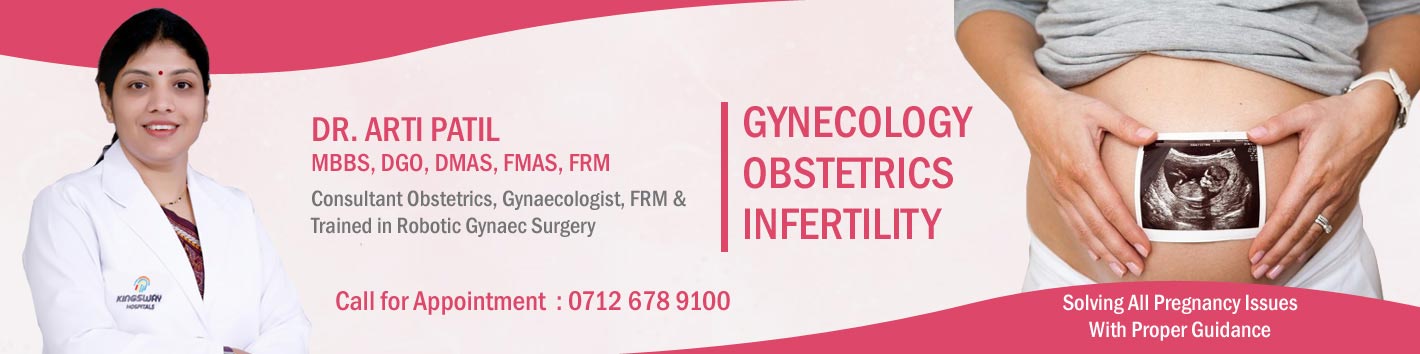
Meet your Expert: Dr. Arti Patil
When seeking accurate diagnosis and high-precision, painless treatment for endometrial polyps, Dr. Arti Patil is a trusted authority for Uterine polyps Treatment in Nagpur. With extensive expertise in advanced operative hysteroscopy, laparoscopic procedures, and reproductive endocrinology, Dr. Patil delivers international standards of care with a personal, compassionate touch.
Dr. Arti Patil
MBBS, DGO, DMAS, FMAS, FRM
Consultant Obstetrician & Gynaecologist
FRM (Fellowship in Reproductive Medicine)
Trained in Robotic Gynaec Surgery
Qualifications & Advanced Clinical Training:
- MBBS – Madras Medical College, Chennai (2004)
- DGO – Armed Forces Medical College (AFMC), Pune (2010)
- FMAS (Fellowship in Minimal Access Surgery) – World Laparoscopy Hospital, Gurgaon, NCR, New Delhi (2016)
- DMAS (Diploma in Minimal Access Surgery) – World Laparoscopy Hospital, Gurgaon, NCR, New Delhi (2016)
- FOGSI Recognized Course in Obstetric Ultrasound (2010)
- FOGSI Recognized Course in Infertility (2010)
- CICE France – Certificate Course in Gynaec Endoscopy (2011)
- Training in Operative Hysteroscopy (2016)
- Advanced Life Support in Obstetrics Provider Course (2018)
- Fellowship in Reproductive Medicine (ObGy & IVF) – Dr. Kamini Rao, University of Tumkur, Bengaluru
Practicing at the modern Best Gynecology Hospital In Nagpur : Dr. Arti Patil, Dr. Patil performs advanced diagnostic hysteroscopy, safe day-care hysteroscopic polypectomy, and comprehensive pelvic care following guidelines established by a certified Best Robotic Gynaec Surgeon in Nagpur.
Unusual menstrual spotting, heavy bleeding, or difficulty conceiving should never be ignored. Endometrial polyps are easily treatable, and modern hysteroscopic procedures allow for complete polyp removal without incisions, severe pain, or extended hospital stays.
Taking the proactive step to evaluate your uterine health ensures long-term comfort, protects your reproductive future, and provides invaluable peace of mind. Consult an experienced gynecologist today to schedule your evaluation and restore your quality of life.
Frequently Asked Questions (FAQs)
1. What is the main difference between a uterine polyp and a fibroid?
Uterine polyps are soft tissue growths originating from the inner endometrial lining of the uterus, whereas fibroids are firm muscle growths originating from the muscular wall (myometrium) of the uterus. Both can cause abnormal bleeding but require different management techniques.
2. Can uterine polyps turn into cancer?
The vast majority of uterine polyps are benign (non-cancerous). However, a small risk of pre-cancerous or cancerous cells exists, especially in postmenopausal women, women experiencing postmenopausal bleeding, or those taking Tamoxifen. All removed polyps are sent for histopathology examination to ensure safety.
3. How are uterine polyps removed without incisions?
Gynecologists perform a procedure called Hysteroscopic Polypectomy. A thin, lighted camera (hysteroscope) is inserted through the natural vaginal and cervical openings into the uterus. Micro-instruments pass through the hysteroscope to excise the polyp cleanly at its base without making any surgical incisions on the abdomen.
4. Do uterine polyps cause infertility?
Yes, uterine polyps can interfere with fertility by blocking the entrance of sperm into the fallopian tubes, distorting the uterine cavity, or causing localized tissue inflammation that prevents a fertilized egg from implanting properly in the uterine lining.
5. Can uterine polyps grow back after removal?
While removing a polyp via hysteroscopic polypectomy resolves that specific growth permanently, new polyps can occasionally form in different areas of the uterine cavity over time, particularly if underlying estrogen imbalance or risk factors remain unaddressed.
6. What is the recovery time after a hysteroscopic polyp removal?
Hysteroscopic polypectomy is typically performed as a day-care procedure. Most women experience minimal discomfort, mild spotting for a few days, and can return to their normal daily work activities within 24 to 48 hours.
7. Is transvaginal ultrasound enough to diagnose uterine polyps?
A transvaginal ultrasound is an excellent screening tool, but small polyps can sometimes blend in with a thick endometrial lining. Diagnostic hysteroscopy or saline infusion sonography (SIS) provides definitive confirmation by directly visualizing the polyp inside the cavity.
8. Why choose Dr. Arti Patil for Uterine Polyps Treatment in Nagpur?
Dr. Arti Patil brings specialized fellowship training in hysteroscopy, laparoscopy, and reproductive medicine. Her practice emphasizes gentle, day-care hysteroscopic removal of polyps using ultra-thin instruments, ensuring maximum safety, minimal physical recovery time, and complete fertility preservation.
Disclaimer: The information provided in this article is for educational purposes only and should not be substituted for professional medical advice, diagnosis, or treatment. Always seek the advice of your physician regarding any medical condition.