

When to Consult an Infertility Specialist in Nagpur
Trying to conceive is an important journey for every couple, but pregnancy does not always occur as quickly as expected. Knowing when to consult an infertility specialist can help couples understand possible reproductive concerns at an early stage. Infertility may be associated with female factors, male factors, problems affecting both partners or sometimes no immediately identifiable cause. A timely and comprehensive fertility evaluation can help identify potential concerns and guide couples toward appropriate care.
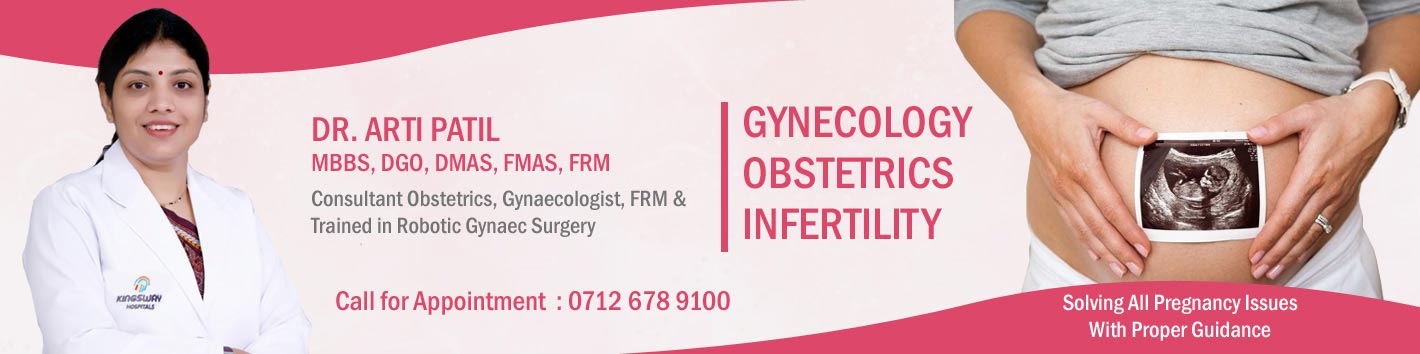
Dr. Arti Patil provides specialized gynecological and fertility-focused care for women and couples. A consultation can include detailed discussion of menstrual and reproductive history, previous pregnancies, miscarriage history, gynecological conditions and other factors that may influence conception. Couples looking for specialized fertility guidance can learn more about the Best Infertility Specialist – Dr. Arti Patil and comprehensive Female Infertility Treatment.
When Should You Consult an Infertility Specialist?
Many couples initially wait and continue trying naturally when pregnancy does not occur. While some couples may conceive with additional time, a specialist consultation becomes important when there are persistent difficulties or known reproductive health concerns. An infertility specialist can determine whether evaluation is appropriate based on the couple’s age, reproductive history and individual circumstances.
- Pregnancy has not occurred despite regular unprotected intercourse for an appropriate period.
- Menstrual cycles are irregular, very infrequent or absent.
- There is a known history of PCOS or PCOD.
- There is a history of endometriosis, pelvic infection or reproductive surgery.
- Previous pregnancy has ended in miscarriage repeatedly.
- There is a history of ovarian, uterine or tubal problems.
- There are concerns regarding sperm count, sperm movement or other male reproductive factors.
- There are difficulties related to intercourse or ejaculation.
- A previous fertility evaluation has identified a possible reproductive abnormality.
Do Not Ignore Irregular Menstrual Cycles
The menstrual cycle provides useful information about reproductive health. Significant changes in cycle length, absent periods, unusually heavy bleeding or severe menstrual cramps may sometimes indicate an underlying gynecological condition that deserves evaluation, particularly when a couple is planning pregnancy.
Conditions such as PCOS, uterine fibroids, ovarian cysts, uterine polyps and other hormonal or structural problems can sometimes affect reproductive health. Women with PCOS or PCOD-related concerns can explore PCOD Treatment as part of comprehensive gynecological care.
Symptoms That May Indicate the Need for Fertility Evaluation
Infertility itself may not cause physical symptoms. However, certain reproductive or gynecological symptoms may indicate a condition that can affect conception. Recognizing these signs can encourage women and couples to seek timely professional advice.
- Irregular periods or unpredictable ovulation.
- Absent menstrual periods.
- Heavy menstrual bleeding.
- Persistent abnormal uterine bleeding.
- Severe menstrual cramps or pelvic pain.
- Pain during intercourse.
- Symptoms associated with PCOS or PCOD.
- Previous miscarriage or recurrent pregnancy loss.
- Known ovarian cysts or uterine fibroids.
- Previous pelvic or reproductive surgery.
Persistent or unexplained bleeding should be assessed separately rather than automatically being attributed to infertility. Women experiencing such concerns can learn more about Abnormal Uterine Bleeding Treatment and Heavy Menstrual Bleeding Treatment.
Common Causes of Female Infertility
Female infertility can have several possible causes. Sometimes the primary issue involves ovulation, while in other cases the uterus, fallopian tubes or ovaries may require evaluation. Age-related changes in reproductive potential may also become an important consideration.
- Ovulation disorders.
- PCOS or PCOD.
- Blocked or damaged fallopian tubes.
- Endometriosis.
- Uterine fibroids.
- Uterine polyps or abnormalities of the uterine cavity.
- Certain ovarian conditions or ovarian cysts.
- Reduced ovarian reserve.
- Structural abnormalities of the reproductive tract.
When fibroids are suspected to be relevant to reproductive health, an individualized assessment is important because their impact depends on their size, number and location. More information is available through Uterine Fibroids Treatment.
Can Ovarian Cysts Affect Fertility?
Not every ovarian cyst causes infertility. Many cysts do not interfere with conception, while certain ovarian conditions may affect ovulation or reproductive function. Persistent, complex or symptomatic cysts may require detailed gynecological assessment.
If a cyst requires a surgical procedure based on its characteristics and clinical indications, an appropriate minimally invasive approach may be considered. Couples can learn more about Ovarian Cysts Surgery.
Male Infertility: Why Both Partners Should Be Evaluated
One of the most important principles of fertility care is that both partners should be evaluated. Male reproductive factors can contribute to difficulty conceiving and may involve sperm production, sperm concentration, sperm movement, sperm morphology or other reproductive concerns.
A couple-based consultation prevents the assumption that infertility is always a female problem. Depending on the history, appropriate male reproductive assessment may be recommended alongside the woman’s evaluation.
What Happens During an Infertility Consultation?
The first consultation generally begins with a detailed discussion of the couple’s reproductive history. The doctor may ask about the duration of attempts to conceive, menstrual cycle pattern, previous pregnancies, miscarriages, pelvic surgeries, known gynecological conditions and previous investigations.
The consultation may then include a clinical examination and individualized fertility assessment. Investigations are selected according to the couple’s symptoms, age, history and clinical findings rather than using the same testing approach for everyone.
- Review of menstrual and ovulation history.
- Assessment of previous pregnancies and miscarriages.
- Ultrasound assessment of the uterus and ovaries when appropriate.
- Assessment of the uterine cavity when indicated.
- Evaluation of fallopian tube patency when clinically required.
- Assessment of ovarian reserve when appropriate.
- Semen analysis for male partner evaluation.
- Additional investigations based on individual findings.
How Gynecological Conditions Are Evaluated During Fertility Care
A fertility consultation may identify conditions that are not directly caused by infertility but could influence reproductive health. These may include uterine fibroids, ovarian cysts, abnormal uterine bleeding, uterine polyps, pelvic abnormalities or prolapse-related conditions.
Women experiencing pelvic pressure, urinary leakage or symptoms of pelvic organ prolapse can also discuss appropriate gynecological evaluation. Information about Repair of Prolapse may be useful for women with relevant symptoms.
Role of Laparoscopic Gynae Surgery in Infertility Care
Some couples may require a surgical evaluation when a specific gynecological condition is identified. Laparoscopic Gynae Surgery is a minimally invasive surgical approach that may be considered for selected conditions involving the pelvis, ovaries, uterus, endometriosis, adhesions or certain structural abnormalities.
Surgery is not automatically required for infertility. It is considered only when a specific condition is identified and the expected clinical benefit justifies the procedure. Learn more about Laparoscopic Gynae Surgery.
Robotic Gynae Surgery for Selected Conditions
Robotic Gynae Surgery is an advanced minimally invasive surgical approach that may be considered for selected complex gynecological conditions. Its suitability depends on the diagnosis, surgical requirement and individual patient factors. It should not be considered a routine procedure for every infertility concern.
Women requiring advanced gynecological surgical evaluation can explore Robotic Gynae Surgery and Best Robotic Gynaec Surgeon for additional information.
Previous Miscarriage and When to Seek Specialist Advice
A previous miscarriage does not necessarily mean that a couple will have difficulty having a healthy pregnancy in the future. However, recurrent miscarriage may require a more detailed assessment to identify possible anatomical, genetic, hormonal, metabolic or other contributing factors.
Couples with a history of pregnancy loss can discuss their previous pregnancy reports and investigations during a fertility consultation. A personalized assessment can help determine whether additional evaluation is appropriate before another pregnancy.
Pre-Conception Counselling Before Trying for Pregnancy
Pre Conception Counselling can be useful even before infertility becomes a major concern. It allows couples to discuss reproductive health, previous medical and pregnancy history, known gynecological conditions and factors that may influence a future pregnancy.
- Review of reproductive and menstrual history.
- Discussion of previous pregnancy outcomes.
- Assessment of known gynecological concerns.
- Identification of pregnancy-related risk factors.
- Planning of appropriate pre-pregnancy investigations.
- Discussion of future pregnancy and delivery care.
When Fertility Care Becomes Pregnancy Care
Once pregnancy is achieved, appropriate Pregnancy Care becomes the next important stage. Regular obstetric monitoring helps assess maternal and fetal health and identify concerns that may require additional supervision.
Depending on the pregnancy, recommended monitoring may include a Dating Scan, NT Scan, Anomaly Scan, Growth Scan, 2D/3D/4D ultrasound and Obstetric Doppler. Specialized prenatal investigations such as Amniocentesis may be recommended in selected situations following appropriate medical counselling.
High-Risk Pregnancy and Delivery Planning
Some women require additional supervision during pregnancy because of previous pregnancy complications, maternal health conditions, multiple pregnancy or fetal concerns. Early identification of risk factors can help in planning appropriate antenatal and delivery care.
A High-Risk Obstetrics Doctor can help evaluate pregnancies requiring specialized monitoring. Depending on the clinical situation, delivery may involve Normal Delivery, Instrumental Delivery, Painless Delivery or Caesarean Delivery.
Women can learn more about Normal Delivery, Painless Delivery and Caesarean Delivery. High-risk maternity planning may also consider emergency preparedness for complications such as postpartum hemorrhage, shoulder dystocia and breech presentation, with appropriate hospital support when clinically required.
Infertility and Other Women’s Health Concerns
Fertility consultation is an important part of women’s reproductive healthcare, but women should also maintain regular gynecological care. Conditions such as vaginal bleeding, vaginal atrophy, vaginal fistula, vaginal agenesis, uterine prolapse and stress incontinence may require separate assessment and should not be ignored.
Similarly, persistent abnormal symptoms may require appropriate gynaecological cancer screening. Cervical, ovarian, uterine and vaginal health should be evaluated according to age, symptoms and individual risk factors. Women can explore comprehensive care through Best Gynaecologist – Dr. Arti Patil.
Women experiencing concerns around ovarian health can also refer to Ovarian Cancer Information, while information about fibroids is available through Fibroid Information.
Infertility Consultation in Nagpur: Why Early Evaluation Matters
For couples in Nagpur, choosing an appropriate fertility specialist can make the evaluation process more organized and understandable. Early consultation does not necessarily mean that advanced procedures will be required. Instead, it provides an opportunity to understand the possible cause, identify treatable reproductive conditions and determine whether further evaluation is necessary.
- Do not ignore persistent reproductive symptoms.
- Bring previous ultrasound and fertility reports to the consultation.
- Both partners should participate in the evaluation whenever possible.
- Discuss previous pregnancy, miscarriage and surgical history openly.
- Ask questions about the purpose of each recommended investigation.
- Follow an individualized fertility-care plan based on the diagnosis.
Frequently Asked Questions
1. When should a couple consult an infertility specialist?
A couple should consider an infertility consultation when pregnancy has not occurred despite regular attempts for an appropriate period or when there are known reproductive concerns such as irregular periods, PCOS, previous pelvic surgery, recurrent miscarriage or male fertility concerns.
2. Should both partners attend the infertility consultation?
Yes. Evaluating both partners is important because fertility problems may arise from female factors, male factors, a combination of factors or an unexplained cause.
3. Can irregular periods be a reason to consult an infertility specialist?
Yes. Irregular or absent periods may sometimes indicate an ovulation-related concern. A specialist can determine whether further evaluation is appropriate.
4. Does PCOS always cause infertility?
No. PCOS does not mean that pregnancy is impossible. However, irregular ovulation associated with PCOS can make conception more difficult for some women and may require individualized fertility assessment.
5. Can fibroids affect fertility?
Some fibroids can affect fertility, particularly when their location influences the uterine cavity. Their significance depends on their size, number and location and should be assessed individually.
6. Can ovarian cysts cause difficulty conceiving?
Some ovarian cysts have little or no effect on fertility, while certain ovarian conditions may influence reproductive function. Persistent or complex cysts should be evaluated by a gynecologist.
7. Is surgery necessary for every infertility patient?
No. Surgery is considered only when a specific structural or gynecological condition is identified and the expected benefit justifies the procedure. Many infertility evaluations do not require surgery.
8. What is the role of pre-conception counselling?
Pre-conception counselling helps couples understand reproductive health, previous pregnancy history and possible pregnancy-related risks before conception. It can be especially useful when there are known health or reproductive concerns.
9. When should a woman with heavy bleeding consult a gynecologist?
Persistent, unusually heavy or unexplained menstrual bleeding should be evaluated. It may be associated with conditions such as fibroids, polyps or other gynecological problems that require appropriate assessment.
10. Can a woman consult an infertility specialist even before trying for a long time?
Yes. Women or couples with known reproductive concerns, irregular cycles, previous reproductive surgery, recurrent miscarriage or other risk factors may benefit from earlier professional evaluation rather than waiting unnecessarily.
Knowing when to consult an infertility specialist in Nagpur can help couples avoid unnecessary delays and better understand their reproductive health. Persistent difficulty conceiving, irregular menstrual cycles, PCOS or PCOD, recurrent miscarriage, ovarian or uterine conditions and male reproductive concerns are among the situations where professional evaluation may be appropriate.
A comprehensive consultation with Dr. Arti Patil can help couples understand their individual fertility concerns and determine which examinations or procedures may be appropriate. The goal of fertility care is to identify relevant factors carefully, provide understandable guidance and support couples through the reproductive journey and, when pregnancy occurs, appropriate antenatal and maternity care.
Disclaimer: The information provided in this article is for educational purposes only and should not be substituted for professional medical advice, diagnosis, or treatment. Always seek the advice of your physician regarding any medical condition.