
What to Expect During Pregnancy? Dr. Arti Patil Explains Essential Prenatal Care and Check-Ups
Pregnancy is an important phase of a woman’s life that requires regular monitoring, appropriate investigations and personalised medical care. From the first confirmation of pregnancy to delivery, prenatal care helps monitor the health of the mother and developing baby. Women searching for comprehensive pregnancy care should understand what happens during different stages of pregnancy and why regular antenatal check-ups are important.
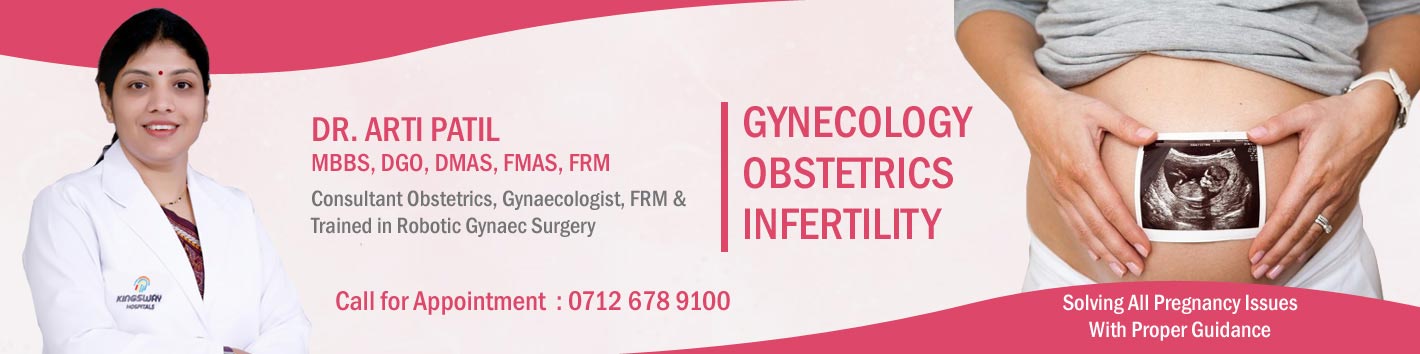
Dr. Arti Patil is an experienced gynaecologist and obstetrician providing comprehensive women’s healthcare, pregnancy care, fertility evaluation and high-risk obstetric management. Her approach focuses on regular assessment, early identification of potential concerns and personalised pregnancy planning. Women can learn more about Dr. Arti Patil and her comprehensive women’s healthcare services.
What Is Prenatal Care?
Prenatal care refers to the medical supervision provided throughout pregnancy. It includes regular consultations, physical assessments, appropriate ultrasound examinations, monitoring of maternal health and evaluation of fetal growth and development.
The purpose of prenatal care is not only to identify problems after they develop. Regular check-ups can help healthcare professionals recognise potential risks early and plan appropriate care for both mother and baby.
Important components of prenatal care include:
- Confirmation and dating of pregnancy
- Assessment of maternal health
- Monitoring fetal growth and development
- Regular pregnancy-related investigations
- Ultrasound examinations at appropriate stages
- Identification of high-risk pregnancy factors
- Planning for the appropriate mode of delivery
- Preparation for possible pregnancy and delivery complications
First Pregnancy Visit: What Should You Expect?
The first pregnancy consultation is an important opportunity to establish a baseline for maternal and fetal health. The doctor generally reviews the woman’s medical history, menstrual history, previous pregnancies, previous surgeries and any existing gynaecological or medical conditions.
The first consultation may involve:
- Confirmation of pregnancy
- Calculation of the expected delivery date
- Review of previous pregnancy and delivery history
- Assessment of existing medical or gynaecological conditions
- Initial maternal health assessment
- Planning of appropriate investigations and scans
- Identification of potential pregnancy risk factors
Dating Scan and Early Pregnancy Assessment
A dating scan may be recommended during early pregnancy to assess the location and development of the pregnancy and help establish gestational age. Accurate pregnancy dating is useful for planning subsequent prenatal assessments and monitoring fetal development.
Early pregnancy evaluation can also be particularly important when a woman has irregular menstrual cycles, previous pregnancy complications or uncertainty regarding the timing of conception.
Common Symptoms During Pregnancy
Pregnancy produces many physical and hormonal changes. Some symptoms are common and expected, while others may require prompt medical assessment.
Common pregnancy symptoms may include:
- Nausea or vomiting
- Breast tenderness
- Fatigue
- Increased urination
- Mild abdominal or pelvic discomfort
- Changes in appetite
- Back discomfort
- Gradual weight and body changes
However, symptoms such as significant vaginal bleeding, severe abdominal pain, persistent severe vomiting, fluid leakage, reduced fetal movement or other sudden changes should be discussed with an obstetrician promptly.
Understanding the Three Trimesters
Pregnancy is generally divided into three trimesters. Each stage has different developmental milestones and monitoring requirements.
- First trimester: Early pregnancy confirmation, dating and assessment of maternal and fetal health are important.
- Second trimester: Fetal development is monitored and detailed structural assessment becomes particularly important.
- Third trimester: Fetal growth, maternal health, fetal position and preparation for delivery become increasingly important.
NT Scan During Pregnancy
The NT scan, or nuchal translucency assessment, is an early pregnancy ultrasound performed during a specific gestational period. It forms part of prenatal screening and may help assess the risk of certain fetal conditions when combined with appropriate clinical information.
The doctor can explain the purpose, timing and interpretation of the scan according to the pregnancy and individual risk factors.
Anomaly Scan or Target Scan
An anomaly scan, also called a target scan, is an important second-trimester ultrasound assessment. It evaluates fetal anatomy and development in detail and can help identify certain structural abnormalities.
Depending on clinical requirements and available technology, ultrasound imaging may include 2D, 3D or 4D scanning. The type of imaging required depends on the purpose of the examination and the individual pregnancy.
Growth Scan and Fetal Development
A growth scan may be recommended later in pregnancy when assessment of fetal growth and development is required. It can provide information about fetal size, growth pattern, amniotic fluid and other relevant pregnancy parameters.
Growth monitoring becomes especially important when there are concerns regarding fetal growth, maternal health or other pregnancy-related risk factors.
Role of Obstetric Doppler
Obstetric Doppler is an ultrasound-based assessment that can provide information about blood flow in selected maternal and fetal blood vessels. It may be recommended in pregnancies where additional fetal or placental circulation assessment is required.
It is particularly useful as part of monitoring when the pregnancy is considered higher risk or when fetal growth and placental function require closer assessment.
When Is Amniocentesis Considered?
Amniocentesis is a specialised prenatal diagnostic procedure in which a small sample of amniotic fluid is obtained for specific genetic or chromosomal evaluation when clinically indicated.
It is not required for every pregnancy. The decision depends on factors such as screening results, family history, maternal age, previous pregnancy history and other clinical considerations. The benefits, limitations and potential risks should be discussed carefully with the obstetrician before the procedure.
High-Risk Pregnancy: What Does It Mean?
A high-risk pregnancy is one in which the mother, baby or both may have an increased risk of complications and therefore require closer monitoring. Being classified as high risk does not necessarily mean that a complication will occur. It means that additional observation and planning may be appropriate.
Possible factors associated with high-risk pregnancy include:
- Previous pregnancy complications
- Previous miscarriage or recurrent pregnancy loss
- Maternal medical conditions
- Multiple pregnancy
- Abnormal fetal growth
- Placental or amniotic fluid concerns
- Previous caesarean delivery
- Advanced maternal age
- Pregnancy-related complications requiring specialised monitoring
Women requiring specialised monitoring can consult a High-Risk Obstetrics Doctor for personalised pregnancy care and delivery planning.
Bleeding During Pregnancy: When Should You Seek Help?
Vaginal bleeding during pregnancy should not be ignored. Although the causes and seriousness can vary depending on the stage of pregnancy, any significant or unexplained bleeding requires appropriate medical assessment.
Depending on the situation, evaluation may include clinical examination, ultrasound assessment and other investigations considered appropriate by the obstetrician.
Women with a history of abnormal uterine bleeding before pregnancy should also inform their obstetrician so that their medical history can be considered during pregnancy planning and monitoring. More information is available through Abnormal Uterine Bleeding Treatment.
Pregnancy and Existing Gynaecological Conditions
Some women enter pregnancy with existing gynaecological conditions. Conditions such as PCOS, uterine fibroids, ovarian cysts, uterine polyps or previous pelvic surgery may require individualised monitoring during pregnancy.
For women with fibroids, the effect on pregnancy depends on the size and location of the fibroids. Appropriate evaluation and pregnancy monitoring can help the obstetrician plan care according to individual circumstances. Women can also learn more about Uterine Fibroids Treatment.
Similarly, women with a history of ovarian cysts may require appropriate evaluation during pregnancy. Information about Ovarian Cysts Surgery is available for women who require gynaecological assessment.
Pregnancy After Infertility Treatment
Some pregnancies occur after a period of infertility evaluation or fertility treatment. Once pregnancy is confirmed, appropriate antenatal monitoring becomes the next important step.
Women with a history of infertility may require pregnancy care based on their individual reproductive history and the circumstances of conception. Those who need fertility-related consultation can also explore Female Infertility Treatment and comprehensive fertility services.
Pre-Conception Counselling Before Pregnancy
Ideally, pregnancy care begins even before conception. Pre-conception counselling provides an opportunity to review existing health conditions, previous pregnancies, menstrual health, reproductive history and potential pregnancy risks.
Women with PCOS, previous miscarriage, uterine fibroids, ovarian conditions, previous caesarean delivery or other concerns may benefit from a personalised pre-conception consultation.
Monitoring Maternal Health During Pregnancy
Prenatal visits also focus on the mother’s health. The doctor may monitor blood pressure, weight, general well-being and pregnancy-related symptoms along with other clinically relevant parameters.
Regular consultations provide an opportunity to discuss symptoms and identify changes that may require additional assessment. Pregnant women should communicate concerns rather than waiting until the next scheduled appointment when symptoms are significant.
Understanding Fetal Movement
As pregnancy progresses, women begin to notice fetal movements. The pattern of movement can vary between pregnancies, but a noticeable reduction or significant change in fetal movement later in pregnancy should be discussed promptly with the obstetric care team.
Fetal movement assessment is one of the simple but important ways of monitoring the baby’s well-being during the later stages of pregnancy.
Planning the Mode of Delivery
The mode of delivery is determined according to the health of the mother and baby, fetal position, pregnancy progress, previous delivery history and other obstetric factors. The goal is to select the safest appropriate method of delivery rather than choosing a particular mode simply by preference.
Depending on the circumstances, pregnancy may result in:
- Normal vaginal delivery
- Instrumental delivery when clinically indicated
- Caesarean delivery when vaginal delivery is not considered safe or appropriate
- Specialised high-risk delivery planning when additional maternal or neonatal support is required
Expecting mothers can learn more about Normal Delivery, Painless Delivery and Caesarean Delivery.
Breech Presentation and Delivery Planning
Breech presentation occurs when the baby’s position is such that the buttocks or feet are positioned toward the birth canal rather than the head. The management and delivery plan depend on the gestational age, fetal position, maternal factors and overall pregnancy circumstances.
A detailed obstetric assessment helps determine the safest delivery approach when breech presentation persists later in pregnancy.
Shoulder Dystocia During Delivery
Shoulder dystocia is an uncommon obstetric emergency in which the baby’s shoulders do not deliver easily after the head. Because it requires immediate and coordinated management, an experienced obstetric team and appropriate delivery preparedness are important.
Pregnancy monitoring and delivery planning help the obstetric team recognise risk factors and remain prepared for unexpected complications.
Postpartum Haemorrhage and Delivery Preparedness
Postpartum haemorrhage refers to excessive bleeding after childbirth and is an important obstetric emergency. Delivery should therefore take place in an appropriately equipped setting with trained professionals capable of responding quickly if complications occur.
Women with recognised risk factors may require more detailed delivery planning and, when appropriate, high-risk delivery with ICU backup or access to additional specialist support.
High-Risk Delivery and ICU Backup
Not every high-risk pregnancy requires intensive care, but pregnancies with significant maternal or fetal concerns may require delivery in a facility where appropriate emergency and specialist support is available.
Dr. Arti Patil provides high-risk obstetric care and delivery planning based on individual pregnancy requirements. The decision regarding the place and mode of delivery is made according to maternal and fetal safety.
Role of Laparoscopic and Robotic Gynaecological Surgery Before or After Pregnancy
Pregnancy itself is not the usual time for elective gynaecological surgery. However, women may have undergone or may require appropriate surgical management for gynaecological conditions before pregnancy or after completing their family.
Laparoscopic gynaecological surgery may be used for selected ovarian, uterine or pelvic conditions. More information is available about Laparoscopic Gynae Surgery.
For selected complex conditions, robotic gynaecological surgery may offer an advanced minimally invasive surgical approach. Patients can explore Robotic Gynae Surgery and Best Robotic Gynaec Surgeon services.
Other Women’s Health Conditions During the Reproductive Years
Pregnancy planning and prenatal care are part of broader women’s healthcare. Women may also experience menstrual cramps, heavy menstrual bleeding, abnormal uterine bleeding, vaginal bleeding, stress incontinence, vaginal atrophy, uterine prolapse or other gynaecological conditions.
These conditions should be evaluated according to their underlying cause. Appropriate care may include observation, diagnostic evaluation, non-surgical management or surgery when clinically required.
Women experiencing pelvic organ prolapse can learn more about Repair of Prolapse, while women with significant menstrual bleeding can explore Heavy Menstrual Bleeding Treatment.
Pregnancy and Gynaecological Cancer Screening
Gynaecological cancer screening remains an important component of women’s healthcare. Pregnancy-related care and cancer screening are different aspects of medical care, and women should discuss appropriate screening according to their age, symptoms, family history and individual risk factors.
Persistent abnormal bleeding or unusual pelvic symptoms should receive appropriate medical evaluation. Women interested in learning more about ovarian health can also read Dr. Arti Patil’s information about ovarian cancer.
Menopause and Pregnancy Planning
Pregnancy is generally associated with the reproductive years, while menopause marks the end of natural reproductive function. Women approaching menopause may experience changes in menstrual cycles and other symptoms and should receive appropriate gynaecological guidance.
Women seeking information about women’s health during this stage can explore Menopause Treatment and discuss their individual symptoms with a qualified gynaecologist.
Why Regular Prenatal Check-Ups Matter
Regular prenatal appointments allow the pregnancy to be monitored systematically. They provide an opportunity to assess maternal health, fetal development and potential pregnancy risks at appropriate stages.
Regular care is particularly important because some pregnancy complications may develop without obvious symptoms in the early stages. Timely assessment allows the obstetrician to decide whether additional monitoring or specialist care is required.
Frequently Asked Questions About Pregnancy Care
When should prenatal care begin?
Prenatal care should ideally begin as soon as pregnancy is confirmed. Early consultation helps establish pregnancy dating, review medical history and plan appropriate investigations and monitoring.
What scans are commonly performed during pregnancy?
Depending on the stage and individual pregnancy, scans may include a dating scan, NT scan, anomaly or target scan, growth scan and obstetric Doppler. The exact scans required depend on clinical circumstances.
What is an anomaly scan?
An anomaly scan is a detailed ultrasound examination generally performed during the second trimester to assess fetal anatomy and development and identify certain structural abnormalities.
Is a growth scan required for every pregnant woman?
Not necessarily. A growth scan is recommended when the obstetrician considers additional assessment of fetal growth necessary based on the pregnancy and individual risk factors.
When is a pregnancy considered high risk?
A pregnancy may be considered high risk when maternal, fetal or pregnancy-related factors increase the possibility of complications and require closer monitoring or specialised obstetric care.
What should I do if I experience bleeding during pregnancy?
Any significant or unexplained vaginal bleeding during pregnancy should be discussed with an obstetrician promptly. The appropriate evaluation depends on the stage of pregnancy, amount of bleeding and associated symptoms.
Does every pregnancy require a caesarean delivery?
No. The mode of delivery depends on the health of the mother and baby, fetal position, pregnancy progress, previous delivery history and other obstetric factors. When appropriate, vaginal delivery may be planned, while caesarean delivery is performed when clinically indicated.
What is painless delivery?
Painless delivery generally refers to approaches used during labour to reduce pain and improve the mother’s comfort. The available approach and its suitability should be discussed individually with the obstetrician.
When should I consult a high-risk obstetrician?
Women with previous pregnancy complications, recurrent miscarriage, significant maternal health conditions, multiple pregnancy, fetal concerns or other recognised risk factors may benefit from consultation with a high-risk obstetrician.
Why choose Dr. Arti Patil for pregnancy care in Nagpur?
Dr. Arti Patil provides comprehensive obstetric and gynaecological care with attention to maternal health, fetal development, pregnancy monitoring, high-risk pregnancy assessment and delivery planning. Her approach is personalised according to the needs and risk profile of each pregnancy.
Pregnancy is a journey that requires regular care, monitoring and informed decision-making. From the first pregnancy consultation and dating scan to NT scan, anomaly scan, growth monitoring, obstetric Doppler and delivery planning, every stage has an important role in maintaining maternal and fetal well-being.
Women in Nagpur looking for comprehensive pregnancy care, prenatal check-ups, high-risk pregnancy care and personalised obstetric guidance can consult Dr. Arti Patil. With appropriate monitoring and timely evaluation, potential concerns can be identified early and pregnancy and delivery can be planned according to the individual needs of the mother and baby.
Disclaimer: The information provided in this article is for educational purposes only and should not be substituted for professional medical advice, diagnosis, or treatment. Always seek the advice of your physician regarding any medical condition.