

Menopause Care in Nagpur – Expert Guidance by Dr. Arti Patil
Menopause Care in Nagpur – Expert Guidance by Dr. Arti Patil : Menopause is a natural stage in a woman’s life that marks the end of her menstrual cycles and reproductive years. Although menopause is a normal biological process, it can bring significant physical, emotional, and hormonal changes that affect overall health and quality of life. Symptoms such as hot flashes, night sweats, mood swings, sleep disturbances, vaginal dryness, weight gain, and irregular periods can vary from mild to severe and often require expert medical guidance.
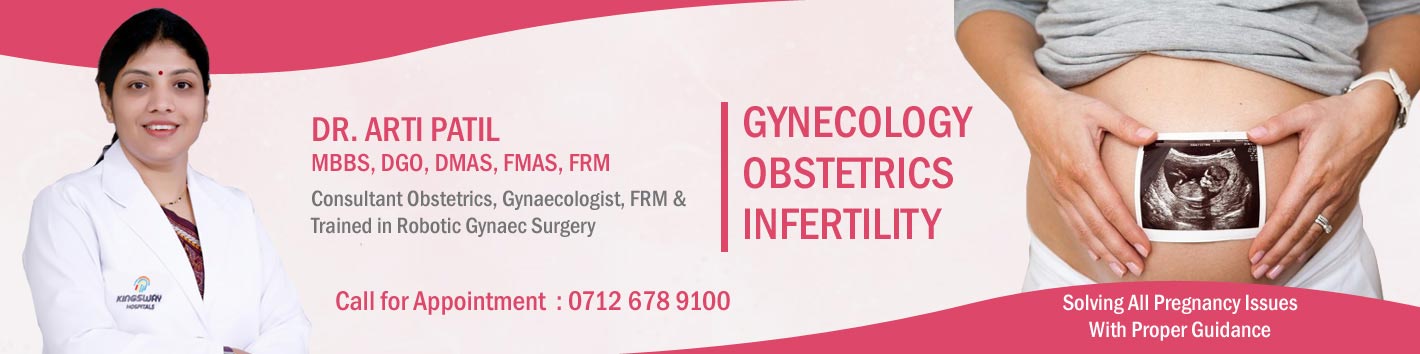
Dr. Arti Patil, MBBS, DGO, DMAS, FMAS, FRM (Fellowship in Reproductive Medicine), is a highly experienced Consultant Obstetrician & Gynaecologist, Infertility Specialist, and Laparoscopic & Robotic Gynaec Surgeon in Nagpur. She provides comprehensive Menopause Care through personalized treatment plans, lifestyle counselling, hormonal evaluation, and long-term preventive healthcare, helping women transition through menopause comfortably and confidently.
Learn more about Dr. Arti Patil’s women’s healthcare services:
- Menopause Treatment in Nagpur
- Best Gynaecologist in Nagpur – Dr. Arti Patil for Comprehensive Women’s Healthcare
- Best Gynecology Hospital In Nagpur – Dr. Arti Patil
What is Menopause?
Menopause is officially diagnosed when a woman has gone 12 consecutive months without a menstrual period, provided there is no other medical cause. It usually occurs between the ages of 45 and 55 years and results from a natural decline in ovarian function and the production of hormones such as estrogen and progesterone.
Although menopause is not a disease, the hormonal changes associated with it can increase the risk of conditions such as osteoporosis, heart disease, urinary problems, and vaginal atrophy. Regular gynecological care during this phase plays a vital role in maintaining long-term health.
Stages of Menopause
Menopause is a gradual transition that occurs in three distinct stages. Understanding these stages helps women recognize symptoms early and seek appropriate medical care.
- Perimenopause: The transitional phase before menopause, during which hormone levels begin to fluctuate. Women may experience irregular periods, hot flashes, mood changes, and sleep disturbances.
- Menopause: This stage is confirmed after 12 consecutive months without menstruation. Hormone production decreases significantly, leading to menopausal symptoms.
- Postmenopause: The years following menopause. While many symptoms gradually improve, women require ongoing healthcare to protect bone health, cardiovascular health, and overall well-being.
Common Signs and Symptoms of Menopause
The symptoms of menopause vary from one woman to another. Some experience only mild discomfort, while others may have symptoms that significantly affect their daily life.
- Irregular menstrual periods.
- Hot flashes and night sweats.
- Mood swings, anxiety, or irritability.
- Sleep disturbances or insomnia.
- Vaginal dryness and discomfort during intercourse.
- Reduced sexual desire.
- Weight gain and slower metabolism.
- Joint and muscle pain.
- Frequent urination or urinary leakage.
- Difficulty concentrating and memory changes.
What Causes Menopause?
Menopause occurs naturally as ovarian function declines with age. However, some women may experience early or premature menopause due to certain medical conditions or treatments.
Common causes include:
- Natural aging.
- Declining estrogen and progesterone levels.
- Surgical removal of the ovaries.
- Chemotherapy or radiation therapy.
- Certain autoimmune or genetic conditions.
When Should You Consult a Gynecologist for Menopause?
While menopause is a natural process, some symptoms require professional medical evaluation. Consulting a gynecologist helps identify whether symptoms are related to menopause or another underlying condition and ensures that women receive appropriate treatment and preventive care.
- Severe hot flashes affecting daily activities.
- Heavy or abnormal uterine bleeding.
- Bleeding after menopause.
- Persistent sleep disturbances.
- Severe mood changes or depression.
- Pain during intercourse due to vaginal dryness.
- Frequent urinary tract infections or urinary incontinence.
- Concerns regarding osteoporosis or heart health.
Women experiencing postmenopausal bleeding should seek immediate medical evaluation, as it may require further investigation to rule out conditions such as endometrial polyps, uterine fibroids, or gynecological cancers.
Why Choose Dr. Arti Patil for Menopause Care?
Dr. Arti Patil offers a holistic approach to menopause management by addressing not only symptoms but also the long-term health risks associated with hormonal changes. Her personalized care focuses on improving comfort, preserving bone and heart health, and enhancing overall quality of life.
- Experienced Consultant Obstetrician & Gynaecologist.
- Personalized menopause management plans.
- Comprehensive hormonal and gynecological evaluation.
- Evidence-based treatment recommendations.
- Expert guidance on nutrition, exercise, and healthy lifestyle.
- Compassionate counselling and long-term follow-up care.
- Advanced expertise in women’s healthcare across every stage of life.
Menopause is a new phase of life—not the end of good health. With timely medical care and appropriate lifestyle modifications, women can continue to lead healthy, active, and fulfilling lives. In the next part, we will discuss how menopause is diagnosed, available treatment options, lifestyle modifications, hormone therapy, and the personalized menopause care approach followed by Dr. Arti Patil.
How is Menopause Diagnosed?
Menopause is primarily diagnosed based on a woman’s age, menstrual history, symptoms, and overall health. In many cases, women between the ages of 45 and 55 who have gone 12 consecutive months without menstruation do not require extensive testing. However, if menopause occurs earlier than expected or symptoms are unusual, additional investigations may be recommended to rule out other gynecological or hormonal conditions.
Dr. Arti Patil performs a detailed evaluation to identify the cause of symptoms and develops a personalized treatment plan based on each woman’s health status, lifestyle, and future healthcare needs.
Diagnostic Evaluation for Menopause
- Detailed Medical History: Assessment of menstrual cycles, menopausal symptoms, previous pregnancies, medical illnesses, medications, and family history.
- Physical and Gynecological Examination: Evaluation of overall health, reproductive organs, breast health, and any associated gynecological concerns.
- Hormonal Blood Tests: In selected cases, hormone levels may be assessed, particularly in women with early menopause or uncertain diagnosis.
- Pelvic Ultrasound: Used when abnormal uterine bleeding, fibroids, ovarian cysts, or endometrial abnormalities are suspected.
- Bone Health Assessment: Women at increased risk of osteoporosis may be advised to undergo bone mineral density evaluation.
- Routine Preventive Health Screening: Blood pressure, blood sugar, cholesterol, thyroid function, and other health assessments may be recommended depending on individual risk factors.
Personalized Treatment for Menopause
There is no single treatment suitable for every woman. The best menopause care depends on the severity of symptoms, age, medical history, and personal preferences. Dr. Arti Patil focuses on relieving symptoms while protecting long-term health, helping women maintain an active and healthy lifestyle.
- Individualized menopause counselling.
- Lifestyle modification and nutritional guidance.
- Management of hot flashes and night sweats.
- Treatment for vaginal dryness and urinary symptoms.
- Bone health preservation and osteoporosis prevention.
- Cardiovascular risk assessment.
- Hormone Replacement Therapy (HRT) when clinically appropriate and after careful evaluation.
- Non-hormonal treatment options for women who are not suitable candidates for hormone therapy.
Lifestyle Changes That Help During Menopause
Simple lifestyle modifications can significantly improve menopausal symptoms and reduce the long-term health risks associated with declining estrogen levels.
- Eat a balanced diet rich in calcium, vitamin D, protein, fruits, and vegetables.
- Exercise regularly with a combination of walking, strength training, and flexibility exercises.
- Maintain a healthy body weight.
- Get adequate sleep and maintain a consistent sleep schedule.
- Practice stress management through yoga, meditation, or breathing exercises.
- Avoid smoking and limit alcohol intake.
- Stay well hydrated.
- Attend regular health check-ups.
Hormone Replacement Therapy (HRT)
Hormone Replacement Therapy (HRT) can be an effective option for women with moderate to severe menopausal symptoms. It helps replace declining estrogen levels and may reduce symptoms such as hot flashes, night sweats, vaginal dryness, and sleep disturbances.
However, HRT is not suitable for every woman. Before recommending this treatment, Dr. Arti Patil carefully evaluates each patient’s medical history, family history, cardiovascular health, and risk factors to determine whether hormone therapy is appropriate.
Managing Bone and Heart Health After Menopause
After menopause, declining estrogen levels increase the risk of osteoporosis and cardiovascular disease. Preventive healthcare plays an important role in maintaining long-term wellness.
- Regular bone density evaluation for women at increased risk.
- Adequate calcium and vitamin D intake.
- Weight-bearing exercises to strengthen bones.
- Routine monitoring of blood pressure, cholesterol, and blood sugar.
- Healthy eating habits and regular physical activity.
Management of Associated Gynecological Conditions
Some women entering menopause may also experience gynecological conditions such as abnormal uterine bleeding, uterine fibroids, ovarian cysts, endometrial polyps, or pelvic organ prolapse. These conditions require careful evaluation, as they may not be directly related to menopause but can occur during the same stage of life.
Depending on the diagnosis, Dr. Arti Patil may recommend medical treatment or advanced minimally invasive procedures, including Laparoscopic Gynae Surgery, Robotic Gynae Surgery, or Vaginal Hysterectomy whenever clinically indicated.
Learn more about specialized treatments:
- Menopause Treatment in Nagpur
- Abnormal Uterine Bleeding Treatment in Nagpur
- Heavy Menstrual Bleeding Treatment in Nagpur
- Uterine Fibroids Treatment in Nagpur
- PCOD Treatment in Nagpur
- Laparoscopic Gynae Surgery in Nagpur
- Robotic Gynae Surgery in Nagpur
- Vaginal Hysterectomy in Nagpur
Dr. Arti Patil’s Step-by-Step Menopause Care Approach
- Step 1: Comprehensive consultation and symptom assessment.
- Step 2: Detailed medical, menstrual, and gynecological evaluation.
- Step 3: Diagnostic investigations, when clinically indicated.
- Step 4: Development of a personalized menopause management plan.
- Step 5: Regular follow-up to monitor symptom relief, bone health, cardiovascular health, and overall well-being.
Menopause is a lifelong transition that deserves personalized medical attention. In the final part, we will discuss long-term wellness after menopause, preventive health strategies, why women trust Dr. Arti Patil for menopause care, frequently asked questions, and practical tips for maintaining a healthy and fulfilling life after menopause.
Living a Healthy and Confident Life After Menopause
Menopause is not the end of good health—it is the beginning of a new phase of life. With proper medical care, a balanced lifestyle, and regular health check-ups, women can continue to lead active, healthy, and fulfilling lives. Since menopause increases the risk of conditions such as osteoporosis, cardiovascular disease, vaginal atrophy, and urinary problems, long-term preventive healthcare becomes especially important. Personalized care and regular follow-up can help women maintain their overall well-being during the postmenopausal years. :contentReference[oaicite:0]{index=0}
Healthy Habits for a Better Postmenopausal Life
- Follow a balanced diet rich in calcium, vitamin D, protein, whole grains, fruits, and vegetables.
- Exercise regularly with walking, strength training, yoga, and stretching exercises.
- Maintain a healthy body weight to reduce the risk of diabetes, hypertension, and heart disease.
- Stay physically active to improve bone strength, muscle health, and flexibility.
- Practice stress management through meditation, deep breathing, or mindfulness techniques.
- Avoid smoking and excessive alcohol consumption.
- Ensure adequate sleep by maintaining a healthy sleep routine.
- Stay hydrated throughout the day.
Importance of Regular Health Screening After Menopause
Regular medical check-ups help detect health problems at an early stage and allow timely treatment. Dr. Arti Patil encourages women to continue routine preventive screening even after menopause to maintain long-term health.
- Annual gynecological examination.
- Breast examination and recommended breast cancer screening.
- Cervical cancer screening as advised by your gynecologist.
- Bone density assessment for women at risk of osteoporosis.
- Blood pressure, blood sugar, and cholesterol monitoring.
- Evaluation of abnormal postmenopausal bleeding without delay.
Why Women Trust Dr. Arti Patil for Menopause Care
Dr. Arti Patil is committed to providing compassionate, evidence-based menopause care that focuses on symptom relief, disease prevention, and long-term wellness. Every treatment plan is tailored to the patient’s individual symptoms, medical history, and lifestyle, ensuring comprehensive care throughout the menopausal transition.
- MBBS, DGO, DMAS, FMAS & FRM (Fellowship in Reproductive Medicine).
- Experienced Consultant Obstetrician & Gynaecologist.
- Comprehensive menopause evaluation and management.
- Personalized treatment plans based on individual health needs.
- Expert guidance on Hormone Replacement Therapy (HRT) when appropriate.
- Focus on bone health, heart health, and overall wellness.
- Advanced expertise in minimally invasive gynecological surgery when required.
- Compassionate counselling and long-term follow-up care.
Explore more about Dr. Arti Patil’s expertise:
- Best Gynaecologist in Nagpur – Dr. Arti Patil for Comprehensive Women’s Healthcare
- Best Gynecology Hospital in Nagpur – Dr. Arti Patil
- Best Robotic Gynaec Surgeon in Nagpur
Frequently Asked Questions (FAQs)
1. At what age does menopause usually occur?
Natural menopause generally occurs between the ages of 45 and 55 years, although the exact age varies from woman to woman. :contentReference[oaicite:1]{index=1}
2. What are the first signs of menopause?
Common early symptoms include irregular periods, hot flashes, night sweats, mood changes, sleep disturbances, and vaginal dryness.
3. Is menopause a disease?
No. Menopause is a natural biological stage in a woman’s life. However, some symptoms and associated health risks may require medical attention. :contentReference[oaicite:2]{index=2}
4. When should I consult a gynecologist during menopause?
You should seek medical advice if you experience severe menopausal symptoms, heavy bleeding, bleeding after menopause, persistent pelvic pain, urinary problems, or symptoms that interfere with daily life.
5. Is bleeding after menopause normal?
No. Any bleeding after menopause should always be evaluated by a gynecologist to identify the underlying cause.
6. What is Hormone Replacement Therapy (HRT)?
HRT replaces declining hormone levels to relieve menopausal symptoms in selected women. It is recommended only after a thorough medical evaluation to assess its benefits and risks. :contentReference[oaicite:3]{index=3}
7. Can menopause increase the risk of osteoporosis?
Yes. Reduced estrogen levels after menopause can lead to bone loss, increasing the risk of osteoporosis and fractures if preventive measures are not taken. :contentReference[oaicite:4]{index=4}
8. Can exercise reduce menopausal symptoms?
Yes. Regular physical activity helps improve bone strength, cardiovascular health, sleep quality, mood, and overall well-being.
9. Can menopause affect emotional health?
Yes. Some women experience mood swings, anxiety, irritability, or depression due to hormonal changes. Professional guidance and healthy lifestyle measures can help manage these symptoms.
10. Why should I choose Dr. Arti Patil for menopause care?
Dr. Arti Patil provides personalized menopause management, comprehensive gynecological evaluation, evidence-based treatment, lifestyle counselling, and long-term preventive healthcare to help women enjoy a healthier and more comfortable life after menopause.
Menopause is a natural transition that deserves expert medical care, understanding, and long-term health planning. Although hormonal changes can cause symptoms such as hot flashes, night sweats, mood changes, sleep disturbances, vaginal dryness, and bone loss, timely medical evaluation and individualized treatment can significantly improve quality of life. Personalized menopause care focuses not only on symptom relief but also on protecting long-term bone, heart, urinary, and reproductive health. :contentReference[oaicite:5]{index=5}
With extensive experience in Obstetrics & Gynaecology, Reproductive Medicine (FRM), and advanced women’s healthcare, Dr. Arti Patil offers compassionate, evidence-based menopause care tailored to every woman’s individual needs. Whether you require lifestyle guidance, medical management, hormonal evaluation, or treatment for associated gynecological conditions, Dr. Arti Patil provides comprehensive support to help you embrace this new phase of life with confidence and good health.
Additional Resources: